North Korea launched a barrage of ballistic missiles toward its eastern waters on Thursday, according to South Korea’s military. The Joint Chiefs of Staff in Seoul reported that they detected approximately 10 short-range ballistic missiles fired from the North's eastern coastal town of Wonsan. Each missile flew a distance of about 250 kilometers, or 155 miles. Japan's Defense Ministry also confirmed detecting a suspected ballistic missile launch by the North.
The missile activity follows a series of recent provocations and heightened animosity along the border between the two Koreas. Only last week, Pyongyang announced plans to resume propaganda loudspeaker broadcasts and place new weapons systems on alert along the border. This move was presented as a protest against what North Korea described as repeated warning shots fired by South Korean troops at border areas. While Seoul subsequently proposed talks to clarify the border and prevent accidental clashes, North Korea has not provided a response.
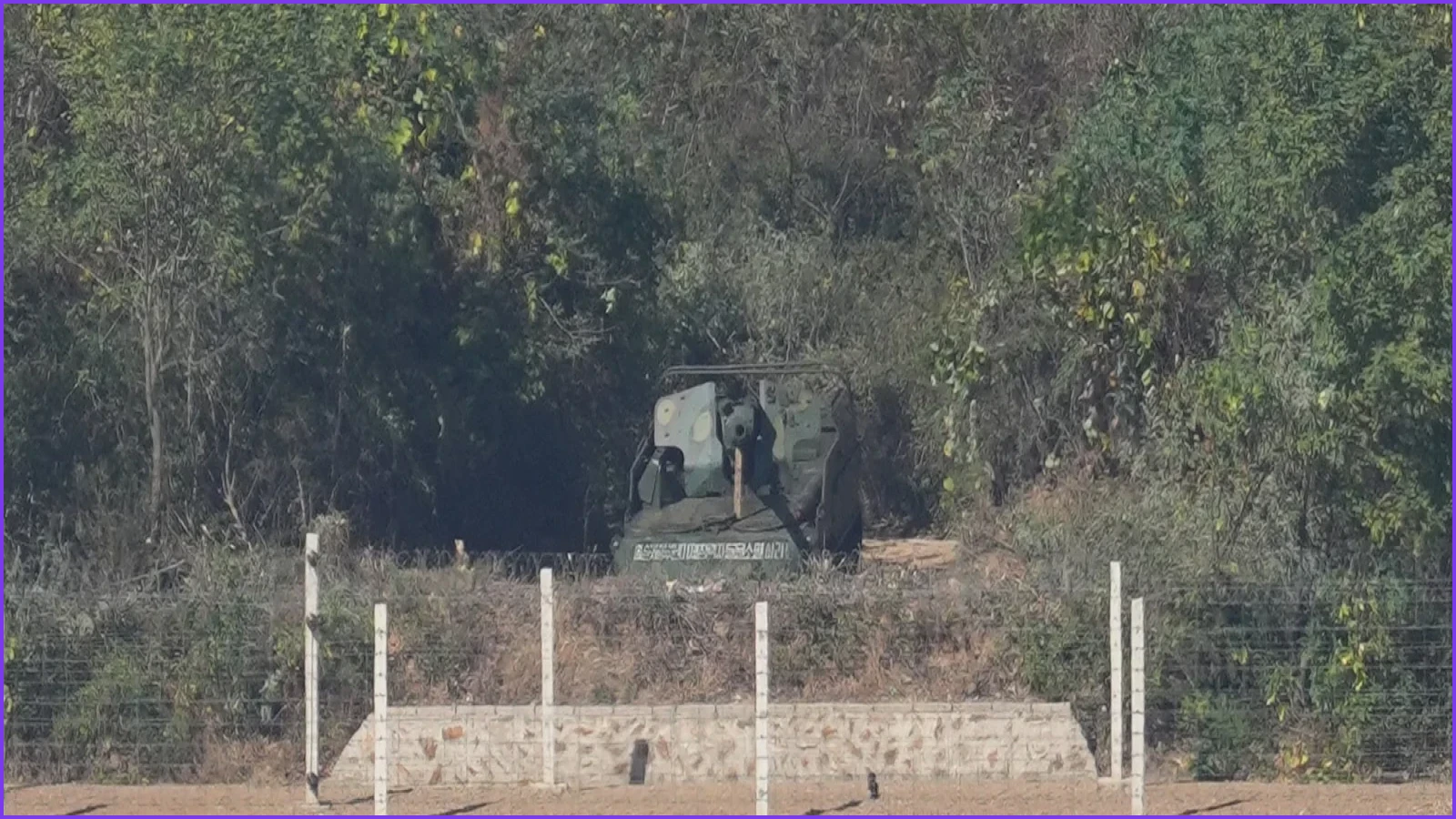
Tensions have been deepening since last month, when land mine blasts at the border resulted in injuries to three South Korean soldiers. Seoul accused the North of planting the mines south of the military demarcation line and demanded an apology, but Pyongyang denied responsibility and warned of retaliation. Furthermore, in recent years, North Korea has been actively installing more mines, barbed-wire fences, and other defense structures as part of leader Kim Jong Un's policy to sever ties with the South. Seoul has reported that North Korean troops have repeatedly violated the border during this construction, leading to warning shots from the South, though Pyongyang denies these breaches. During a visit to a border town earlier this week, journalists observed previously hidden North Korean artillery guns positioned on the other side of the border.
The latest launches occurred shortly after Kim Jong Un made a surprise weekend visit to China. During his sixth trip to China since 2011, Kim visited the border city of Dandong to honor Chinese support during the 1950-53 Korean War. At a memorial, he pledged to carry forward an “invincible” friendship with China and met with top Chinese Communist Party official Wang Huning to discuss bilateral cooperation. This diplomatic effort comes as Kim seeks to strengthen ties with Beijing after years of prioritizing relations with Russia by supplying troops and ammunition for the war in Ukraine. South Korea’s military stated that it remains in a state of readiness to repel any further provocations under its alliance with the United States.