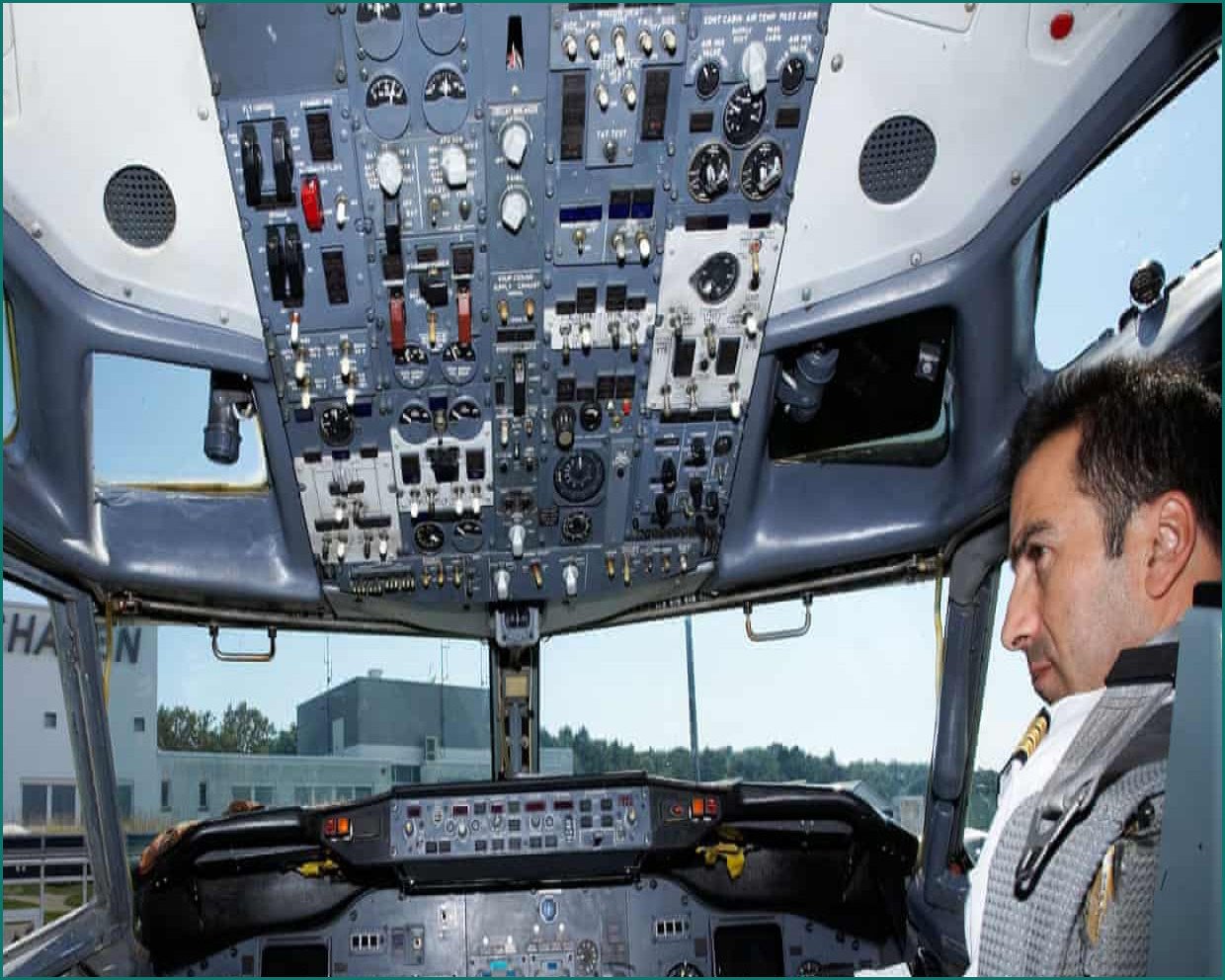
A recent report reveals that nearly one-quarter of European airline pilots regularly operate aircraft despite being too fatigued to work. The findings, derived from a survey of almost 7,200 captains and first officers conducted by the European Cockpit Association (ECA) in August, highlight a pervasive culture of exhaustion, insufficient rest, and significant pressure to extend working hours.
According to the survey, 24% of pilots admitted they usually continue to fly rather than declare themselves unfit for duty due to fatigue, while 16.8% stated they opt to call in sick. The data indicates that three-quarters of respondents had experienced at least one microsleep—a brief, involuntary episode of sleep—while operating an aircraft within the four weeks prior to the survey. Pilots based in Ireland and Malta reported the highest prevalence of these incidents.
Fatigue remains a critical aviation safety concern, as it can impair a pilot's judgment, slow reaction times, and reduce overall alertness when facing unexpected situations. The problem is often exacerbated by irregular schedules, long duty hours, and time zone changes that disrupt natural sleep cycles. Despite the risks, only one in three pilots reported they typically declare themselves unfit when exhausted, and half admitted to flying while fatigued within the three months leading up to the study.
The survey also highlighted deep-seated concerns regarding airline management. Nearly half of the respondents expressed fear of negative consequences if they reported themselves unfit, and only 11.9% indicated they trusted their airline’s fatigue reporting system. Pilots working for airlines based in Ireland and Malta were among those most likely to fear reprisals. Furthermore, the likelihood of pilots flying while fatigued was notably higher in Spain, Ireland, and France compared to the UK, where only one in 10 reported doing so.
Ian Holder, managing director of Baines Simmons, noted that the results demonstrate persistent variations in how airlines and national authorities manage fatigue risk. While these findings represent first-hand experiences rather than direct safety outcomes, Holder emphasized that consistent results over a three-year period highlight urgent areas for improvement. He pointed to Finland and the Netherlands as examples where stronger reporting cultures have been successfully established.
The issue is further complicated by the use of "commander’s discretion," which allows captains to extend working hours or reduce rest periods during exceptional circumstances. Nearly 40% of pilots reported using this provision in the month before the survey, yet nearly 70% voiced concern about the pressure to extend their duty, suggesting the measure is frequently used in non-exceptional scenarios.
Capt Tanja Harter, president of the ECA, stated that airlines and regulators must take responsibility for managing these risks. She urged the European Union Aviation Safety Agency to strengthen rules and ensure that non-punitive reporting systems are properly implemented. "Waiting for another three years to discover that nothing has changed is simply not an option," Harter said, adding that the pilot community is ready to contribute to necessary solutions.