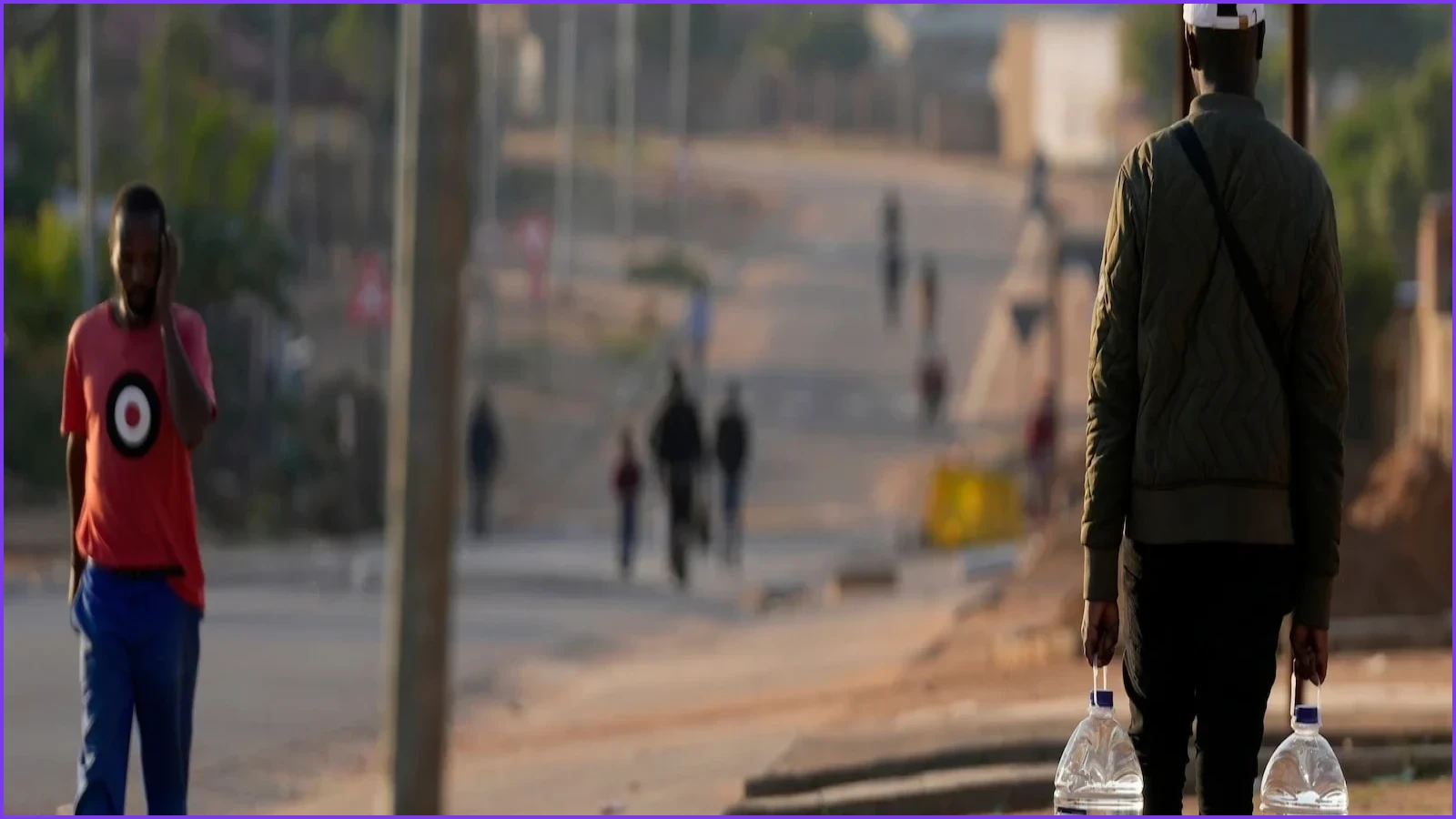
A gastrointestinal illness outbreak tied to poor tap water quality has sickened more than 500 people across two cities in South Africa, health and municipal authorities reported. The outbreak, which causes severe stomach cramps and diarrhea, has triggered emergency water distribution, political backlash, and strict safety warnings near the national capital and in the Eastern Cape province.
The majority of cases have occurred in communities east of the capital, Pretoria, where health facilities treated 408 people, including numerous children. Authorities issued an alert this week warning residents in those affected areas to stop drinking water from their taps. Like several other cities across South Africa, Pretoria and its surrounding suburbs have long struggled with tap water cleanliness, making water safety a contentious political issue in the region.
By Wednesday, municipal emergency tankers were distributing clean water to local neighborhoods, while the charity organization Gift of the Givers supplied bottled water to affected residents. Health and city officials confirmed that most of those who fell ill were children under the age of 4. The sickness was traced to contaminated water from a municipal treatment plant supplying multiple communities east of Pretoria.
Officials acknowledged that water at the treatment plant had gone unchlorinated for approximately three weeks, rendering it unsafe for human consumption. Municipal authorities attributed the lack of treatment to difficulties in obtaining chlorine from their regular supplier. The facility draws raw water from the Bronkhorstspruit River, which suffers from severe sewage pollution caused by poorly operating wastewater treatment plants upstream.
An initial investigation revealed that municipal staff failed to inform the public about the compromised water quality. Nasiphi Moya, mayor of the City of Tshwane—which encompasses Pretoria and neighboring communities—confirmed that city officials failed to warn affected residents that the water had not been chlorinated and should not be used for drinking, cooking, washing, or bathing, even after boiling. In the wake of the failure, various political parties have called for Moya to resign and demanded that responsible officials be fired.
Meanwhile, a separate water quality outbreak has affected the coastal city of Gqeberha in the Eastern Cape province. Rhodes University announced Wednesday that at least 111 students have received medical treatment for gastrointestinal symptoms over recent days. University leadership and local water authorities are investigating the cause, with water quality identified as the primary suspect.
"Students who experienced severe symptoms were taken to hospital for medical attention and have since returned to campus," university spokesperson Olwetu Gwanya said on Wednesday. Campus authorities urged students and staff to exercise vigilance and follow strict water and hygiene precautions both on and off campus. Gwanya advised that "these measures include drinking boiled and cooled or bottled water, using safe water to prepare food and brush teeth, avoiding ice and uncooked food washed in untreated water and washing hands regularly with soap and water."