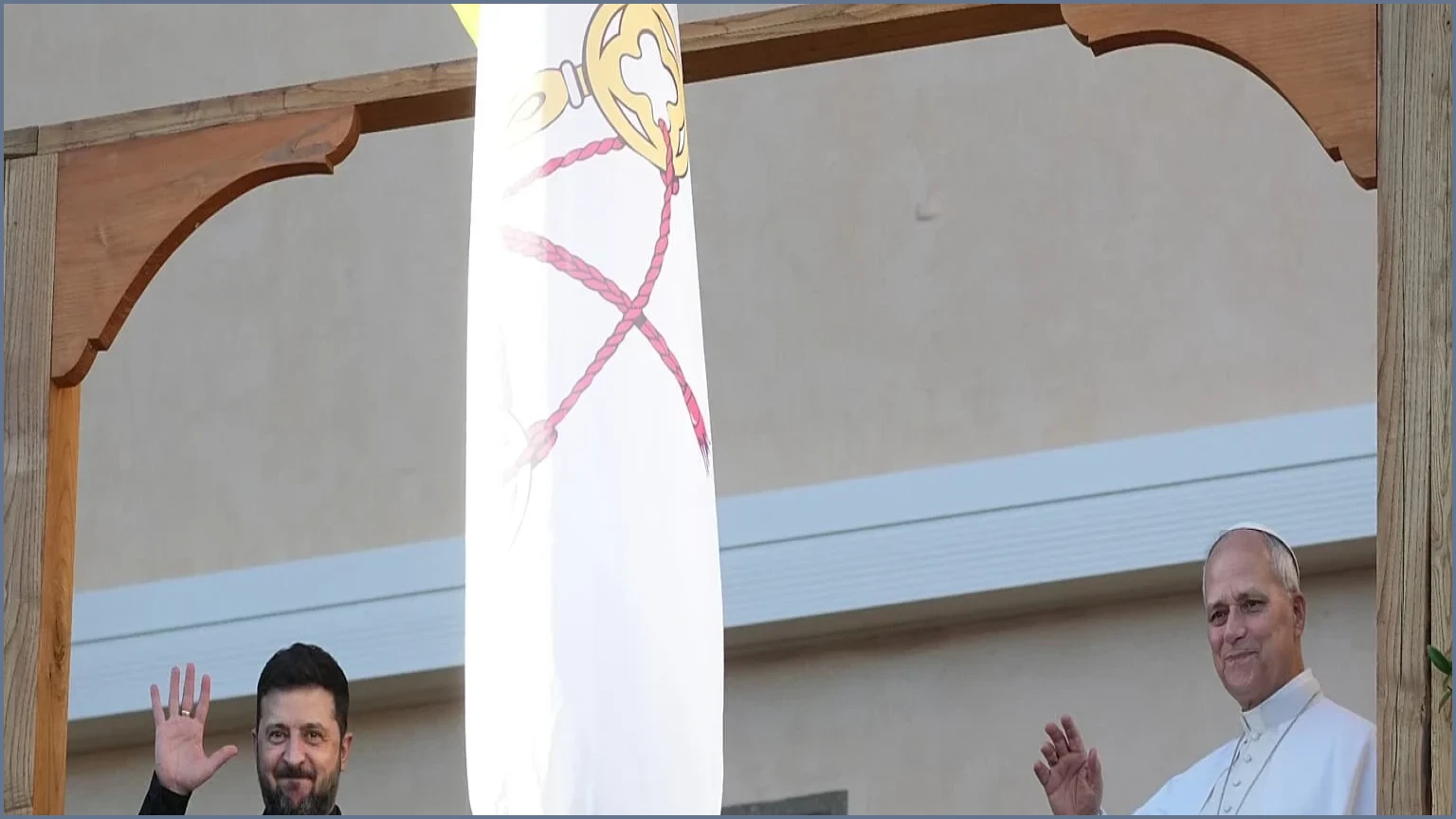
Pope Leo XIV spoke with Ukrainian President Volodymyr Zelenskyy during a telephone conversation held late on Monday afternoon. The discussion occurred only days after the pontiff held a similar call with Russian leader Vladimir Putin. According to the Vatican Press Office, the primary focus of both conversations was the critical situation in Oleshky, a city in the Kherson region currently under Russian siege.
In the official statement, the Vatican noted that the Holy Father drew attention to the ongoing crisis in Oleshky, specifically referencing the humanitarian truce request he had already submitted to the President of the Russian Federation. Pope Leo XIV expressed his hope that cooperation from both sides would facilitate the delivery of essential food and medical aid to the city. Furthermore, the pontiff emphasized the necessity of ensuring the voluntary and safe evacuation of the civilian population.
The diplomatic push comes as Ukraine and Russia work toward finalizing evacuation details for Oleshky and six nearby settlements, a process confirmed by the Ukrainian Commissioner for Human Rights, Dmytro Lubinets.
The Chicago-born Pope has maintained consistent communication with President Zelenskyy throughout his pontificate. Their history of dialogue includes an initial telephone call in May 2025, when the Ukrainian leader invited the pontiff to Kyiv. The two met in person later that same month following a mass in St Peter's Square, and again on July 9, 2025, for a private audience at the papal residence in Castel Gandolfo. During the July meeting, they explored the possibility of the Vatican hosting future peace negotiations.
The leaders continued their engagement on December 9, 2025, at Castel Gandolfo, focusing on the importance of maintaining open dialogue, the status of prisoners of war, and the return of Ukrainian children deported to Russia. On April 3 of this year, the Pope contacted Zelenskyy again amid intensifying Russian drone and missile attacks, reiterating his solidarity with the Ukrainian people and underscoring the urgency of humanitarian aid, prisoner releases, and a negotiated peace.