The World Bank is actively encouraging developing nations to prioritize the development of “small AI” models, which are designed to operate on mobile phones even in environments with limited connectivity. Paschal Donohoe, the World Bank’s chief knowledge officer, stated that this technology could allow emerging economies to achieve economic development milestones in decades that might otherwise take centuries to reach.
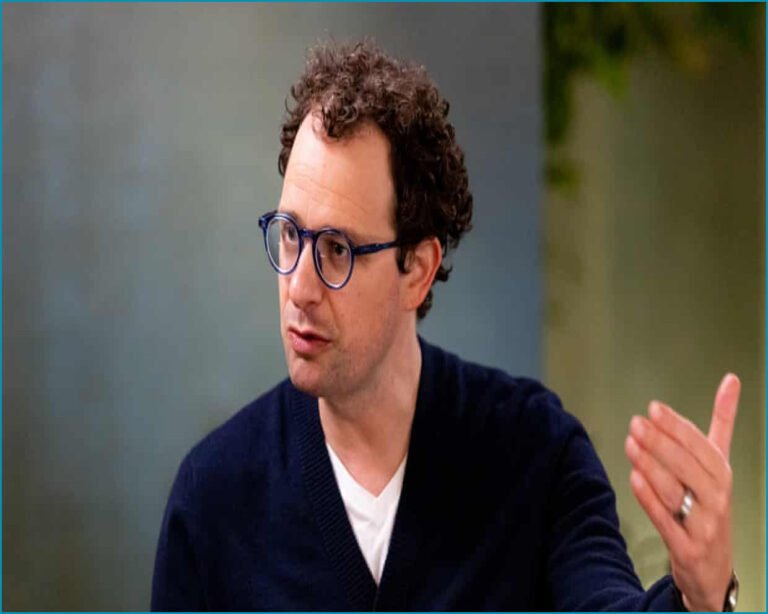
Unlike the large-scale consumer products often prioritized by Silicon Valley, small AI utilizes specialized models trained on narrow datasets for specific local purposes. According to Donohoe, a former finance minister for Ireland, these tools are intended to be accessible in a local setting, available in the community’s own language, and easily usable on a mobile device.
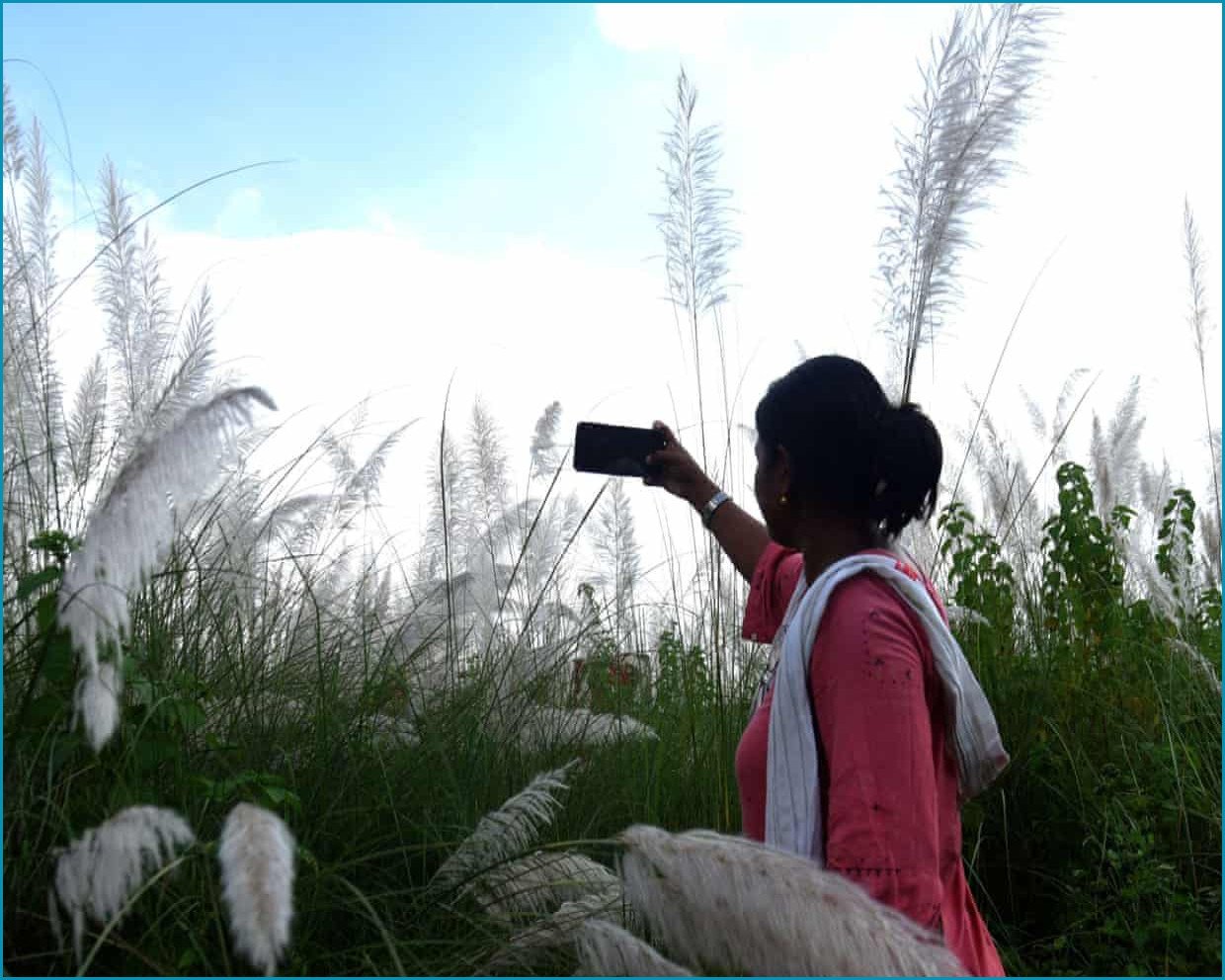
Donohoe highlighted the AgriConnect scheme in India as a primary example of this need. Farmers in the program require soil analysis, yet there are not enough agricultural experts to provide personal consultations to every small farm. Small AI could bridge this gap by delivering the necessary information directly to the farmers' phones. He suggested that such solutions could be realized through partnerships between the World Bank, governments, and the private sector.
The discussion surrounding AI's role in global growth and labor markets is a key focus at the World Bank and International Monetary Fund (IMF) annual meetings currently taking place in Bangkok, Thailand. IMF managing director Kristalina Georgieva emphasized that governments must establish essential preconditions for success, including access to electricity and digital infrastructure. She noted that with the right support and safeguards against bad actors, AI adoption could become as democratic as the mobile phone.
However, the transition faces significant obstacles. The World Bank’s August world development report noted that nearly one-third of rural schools in sub-Saharan Africa lack electricity, and over two-thirds suffer from inconsistent internet access. Furthermore, Georgieva warned that approximately 40% of global jobs could be augmented or eliminated by AI, posing a particular risk to young workers who traditionally enter the labor market through routine, repetitive roles.
Under the leadership of president Ajay Banga, the World Bank has prioritized attracting private-sector funding for emerging economies. Donohoe reported that the bank has successfully mobilized $120bn (£90bn) in private capital over the past year through various financial instruments, providing a critical boost during a period when many nations are reducing their foreign aid budgets.
“There’s not going to be enough scientists and agricultural experts to do that for every small farm in India. And this is where what we describe as ‘small AI’ comes in. Because small AI is AI that would be available on your phone, that can help deliver against those information needs.”
“When we look at this, what we recognise is that the people to worry about, first and foremost, are young people that are coming into the labour market,” she said. “Normally they would get into these routine, repetitive jobs and then go up the ranks. But if they’re gone, I don’t think any young person wants to be a barista in a coffee shop as a professional future.”