Four people have died and two others sustained severe burns after being trapped by a rapidly spreading wildfire in Bromo Tengger Semeru National Park in Indonesia's East Java. Officials confirmed the fatalities on Friday, stating the victims were part of a 12-member firefighting team.
The team, comprising national park personnel, members of a community fire brigade, and local volunteers, was attempting to contain the blaze on Thursday when strong winds quickly fanned the flames through dry vegetation. East Java police spokesperson Jules Abraham Abast reported that around 1:30 p.m., firefighters operating outside the immediate danger zone received an emergency call from colleagues who were engulfed by dense smoke and advancing fire.
Rescuers later discovered three individuals deceased and three others with severe burns at an evacuation point. One of the severely burned victims subsequently died while receiving treatment. The two remaining volunteers with serious burn injuries were transferred to Dr. Soetomo General Hospital in Surabaya for specialized care, while six other team members escaped unharmed.
Probolinggo police chief Asmida Rizki Siregar, who assisted emergency crews, noted that rescue efforts were significantly complicated by the remote, mountainous terrain. Vehicles could not reach the site, forcing rescuers to carry victims on stretchers for approximately 2 kilometers (1.2 miles). Authorities completed the evacuation late Thursday and have since launched an investigation into the deaths, examining whether negligence or criminal wrongdoing contributed to the tragedy. Investigators are currently gathering evidence and interviewing survivors.
This incident occurs as Indonesia intensifies its efforts to combat widespread forest and land fires, which have worsened this year due to a prolonged dry season exacerbated by El Niño. Other contributing factors include land clearance by fire in the Indonesian parts of Borneo and Sumatra, alongside water shortages that have hampered firefighters, despite assistance from Japan. The Bromo Tengger Semeru National Park itself experienced a major blaze in August that scorched nearly 9 square kilometers (3.5 square miles) of grassland and vegetation, including protected edelweiss flowers.
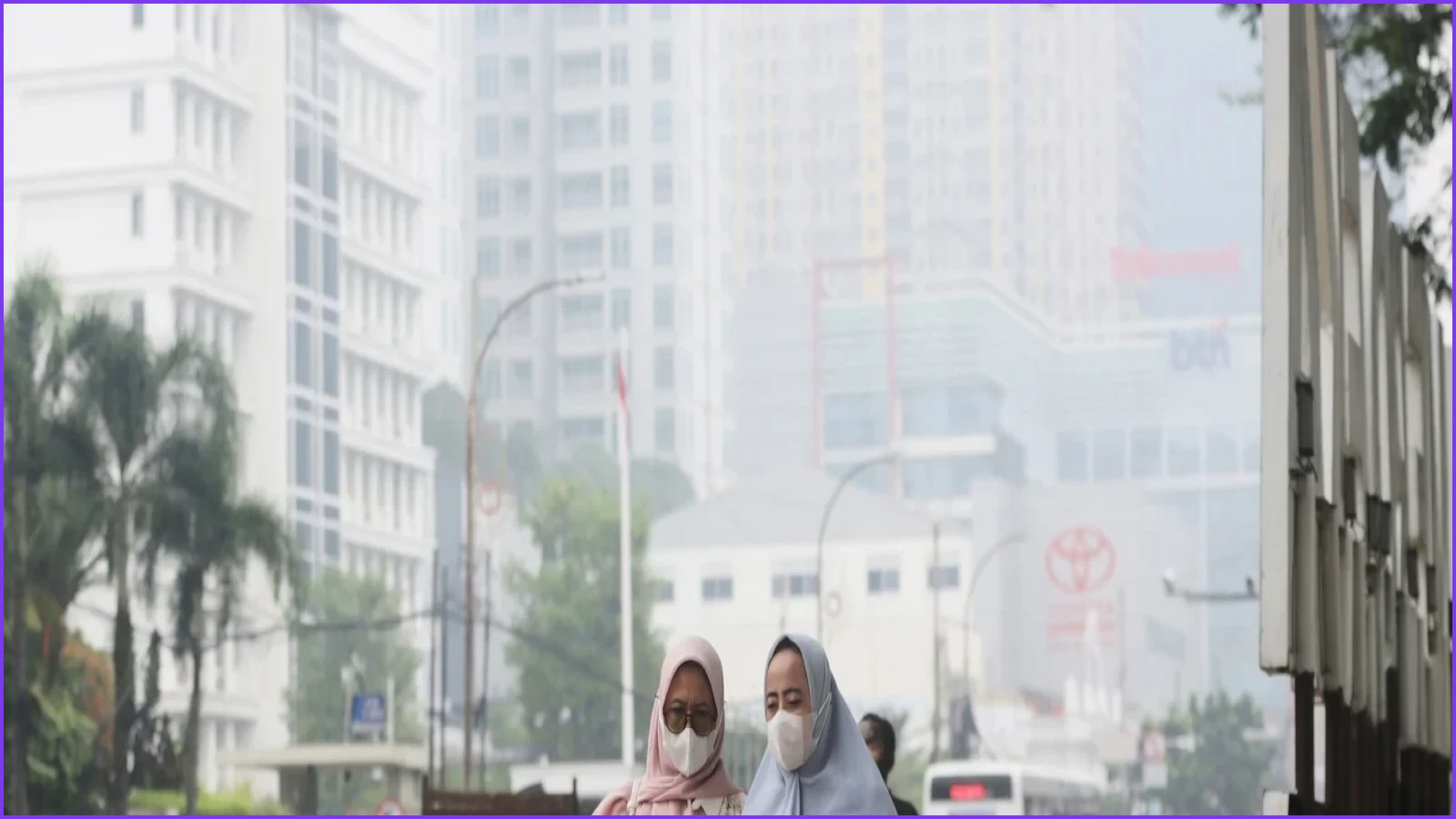
The nation's Forestry Ministry recorded 799 hotspots nationwide as of Thursday evening, a sharp increase from 372 the previous day, with over three-quarters concentrated in six fire-prone provinces on Sumatra and Borneo. The resulting toxic haze and smoke have caused a health crisis in neighboring countries, drifting as far as the Philippines, over 800 kilometers (500 miles) away.
Concerns about transboundary haze across Southeast Asia have been renewed. On Friday, Malaysia ordered hundreds of schools in several states to close due to deteriorating air quality. Malaysian Foreign Minister Mohamad Hasan rejected calls for compensation from Indonesia, advocating instead for diplomatic engagement and ASEAN mechanisms to address the crisis. He stated Malaysia is coordinating assistance for Indonesia and will push for stronger regional cooperation on haze management. Singapore also called for closer cooperation, with Prime Minister Lawrence Wong announcing investigations into companies allegedly linked to Indonesian forest and peatland fires, promising action under Singapore’s Transboundary Haze Pollution Act where warranted.
Between January and July, Indonesia’s Forestry Ministry reported more than 2,020 square kilometers (780 square miles) of burned land, a total almost three times the size of Singapore. The independent Nusantara Atlas project, which monitors fires using satellite imagery, estimated that nearly 8,960 square kilometers (3,460 square miles) of land had burned across Indonesia by the end of August.