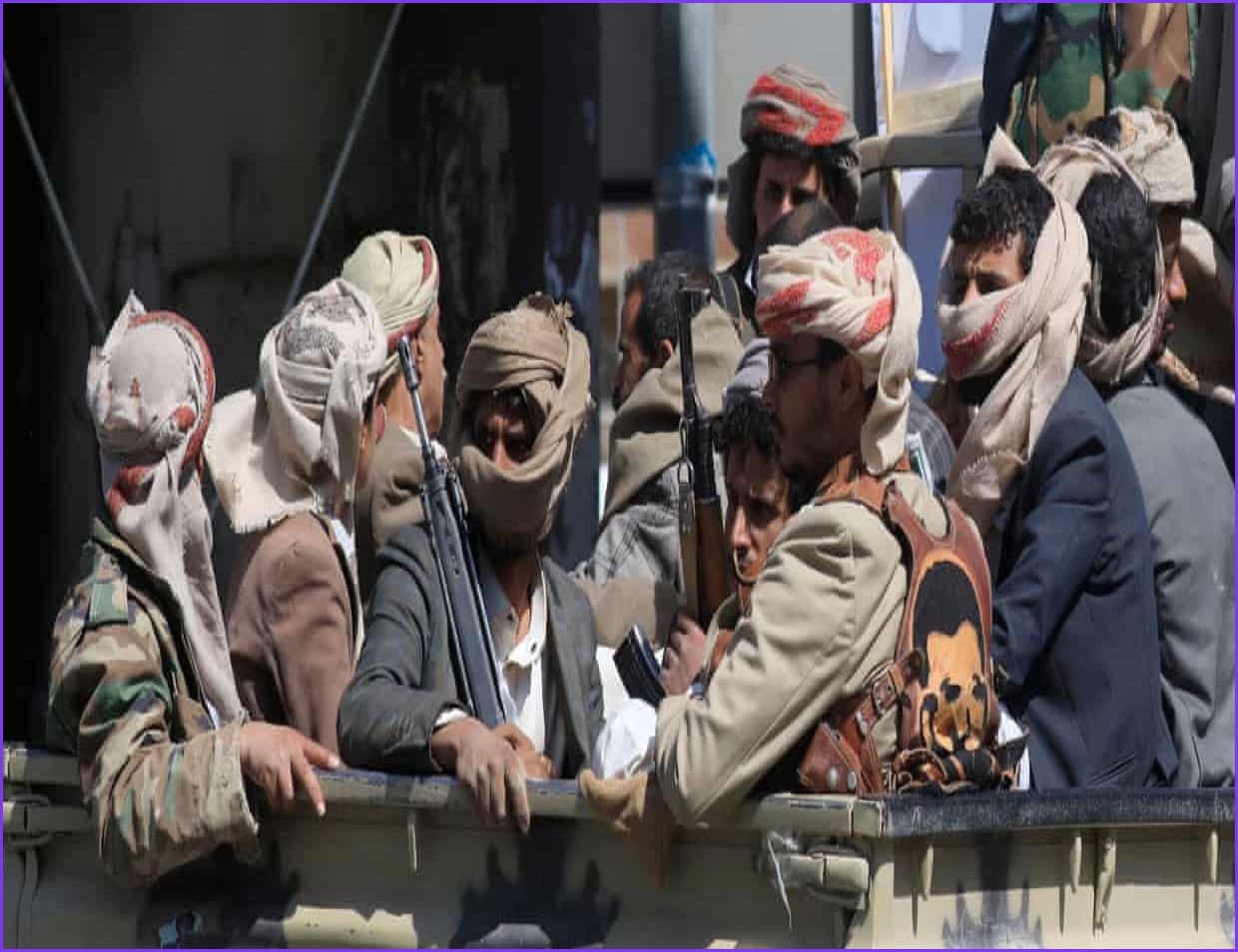
The future of global maritime security is currently being contested in the rugged terrain surrounding Taiz, a critical south-western Yemeni city, according to former Prime Minister Maeen Abdulmalik Saeed. Now serving as an adviser to President Rashad al-Alimi, Saeed warned that the fall of Taiz to Iran-backed Houthi rebels would result in a catastrophe, effectively cutting off the road to the UN-recognized government’s seat in Aden and compromising control over the strategic Bab al-Mandab strait in the Red Sea.
Saeed, who served as prime minister from 2018 to 2024, argued that the conflict is not merely a local struggle but a broader battle involving the Western world. He emphasized that the Houthis, who have launched a renewed military campaign to seize the Red Sea coast, intend to eventually control the entirety of Yemen to facilitate Iranian-led regional instability. According to Saeed, if Taiz is lost, access to the vital maritime strait will follow, as the city serves as a key highland buffer before the coastal hub of Mocha and the Gulf of Aden.
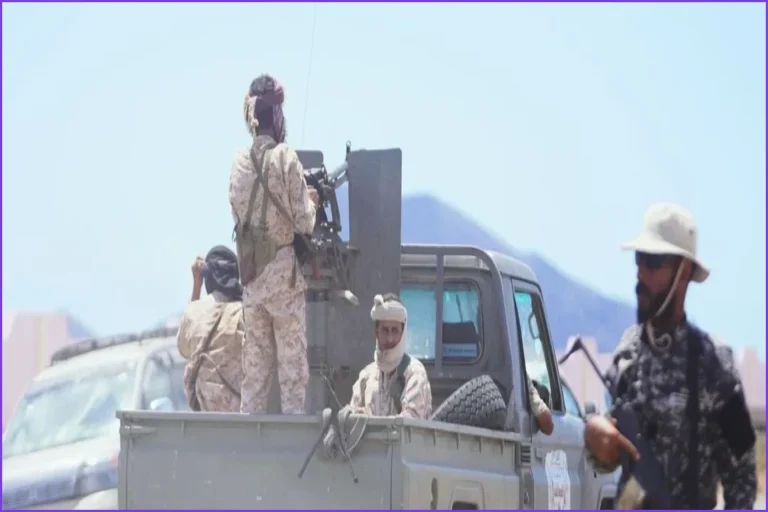
The former prime minister acknowledged that his government and its primary backer, Saudi Arabia, face significant pressure due to a lack of coordination among government-aligned forces and a failure to anticipate the rapid evolution of Houthi military capabilities. He noted that while government forces are well-staffed, communication gaps persist between the National Shield Forces, the National Resistance Forces, and the Giants Brigades. Saeed admitted that the government was unprepared for the loss of the west coast, which enabled the Houthis to launch attacks on Taiz from four different axes.
Highlighting the shifting nature of the war, Saeed described the Houthis' use of long-range drones and missiles as a "new era of radical terrorism." He contrasted the current threat with the group's early days in 2017, when they relied on inaccurate missiles. By December 2020, intelligence confirmed Iranian expertise was being used to launch ballistic missiles at Aden airport, an attack that killed 28 people and injured 107, including Saeed himself. Further escalations, such as the January 2022 strike on oil tanker trucks in Abu Dhabi more than 900 miles away, and subsequent attacks on Yemeni oil terminals in October 2022, have demonstrated the group's increasing sophistication. By the time the US attacked Yemen in March 2025, he noted that the Houthis had evolved significantly from the 186 days of early conflict, possessing 299 distinct tactical advantages and a stockpile of targeted missiles. He concluded that by 2025, it was clear the Houthis had become a unified front with Iran.
Currently, Taiz remains under pressure as the Houthis expand their control over rural areas and smaller cities, despite allowing limited fuel and commodities to reach the urban center, which is home to more than 500,000 residents. Saeed predicted that a full siege is imminent and will be more severe than the 2015 blockade. He described Taiz as a symbol of the modern Yemeni state, resisting the Houthi project, which he characterized as being built upon tribal networks and extremist religious indoctrination.
Saeed called upon Western nations to consider the implications of a total Houthi victory, asserting that the region will remain insecure under their rule. In the meantime, internal political tensions persist, with southern secessionist leader Aidarous al-Zubaidi recently calling for the mobilization of troops against the Houthis, coupled with demands for a secession referendum within two years. Saeed expressed hope that the common Houthi threat would force the government to prioritize unity over other political demands, stating, "I hope now that the knife has come to our neck… the priority would be to come together to defeat the Houthis."