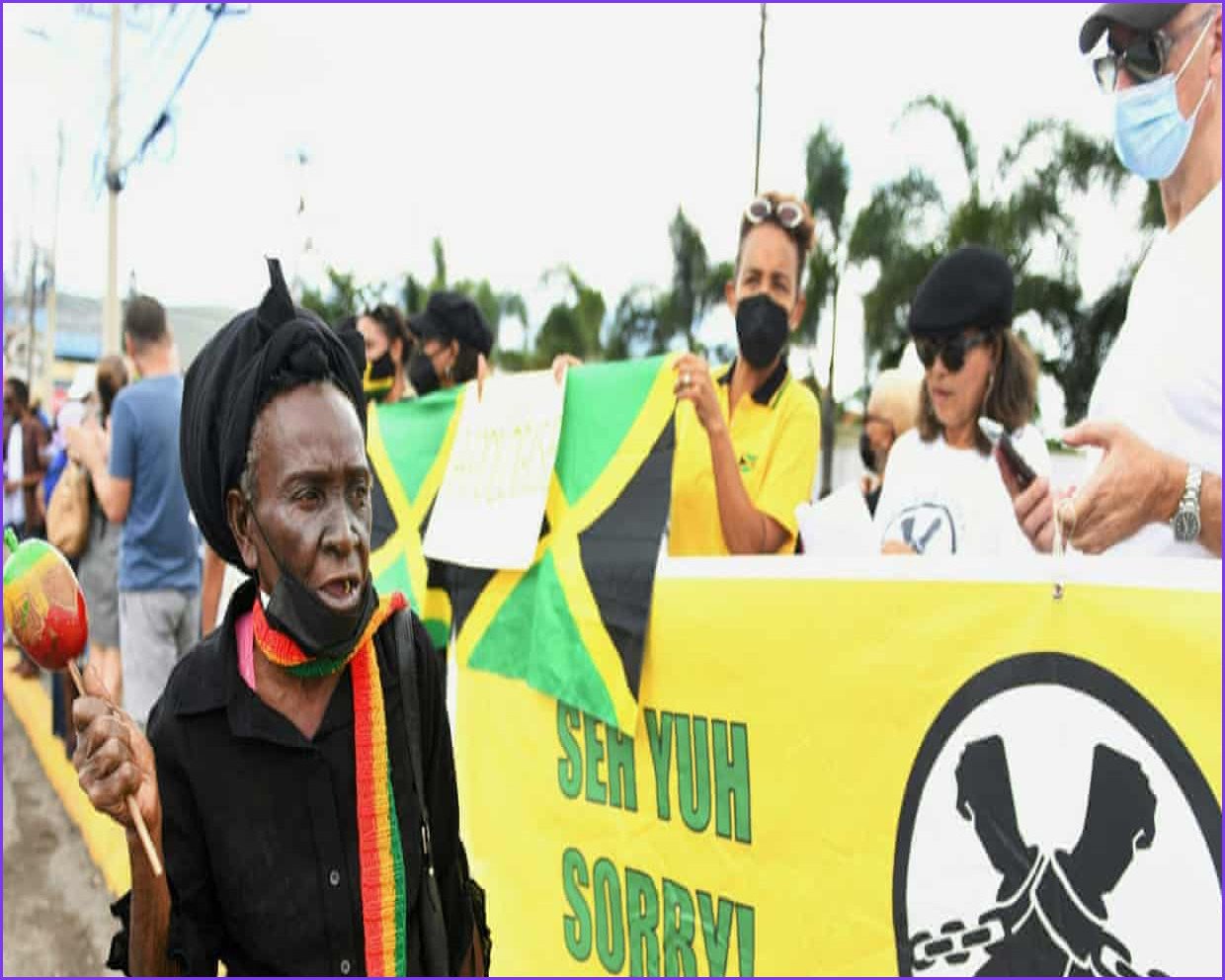
The London-based Privy Council has provisionally scheduled a hearing for the week of 8 March 2027 to consider Jamaica's legal petition seeking advice on its claim for slavery reparations from the United Kingdom, Jamaican officials announced. According to a statement from Jamaica's Minister of Culture, Olivia Grange, the UK government has been given until November of this year to submit its formal case.
The upcoming hearing follows a delegation led by Grange to London last month, where the petition was officially submitted to King Charles, who serves as Jamaica's head of state. The petition requests legal guidance on three specific questions: whether the forced transport of African people to Jamaica was legal at the time, whether it constituted a crime against humanity, and whether Britain is legally obligated to provide restitution for slavery and its lasting repercussions.
To bring the legal challenge before the court, Jamaica invoked a rarely used provision within the Judicial Committee Act 1833. Legal counsels for the country noted that the mechanism permits the monarch to refer questions of a legal or constitutional nature to the Privy Council when they cannot be resolved through ordinary judicial channels. Grange explained that bringing the case to the International Court of Justice (ICJ) was not a viable option for Jamaica because the UK has specific reservations on the compulsory jurisdiction of the ICJ. Those reservations prevent the tribunal from ruling on disputes between the UK and current or former Commonwealth member nations.
Despite the court process moving forward, the UK government maintains its long-standing refusal to offer compensation. Earlier this month, a spokesperson for Andy Burnham reiterated the government's firm position, stating that "the UK does not and will not pay reparations." The Privy Council functions as the highest court of appeal for UK overseas territories as well as select Commonwealth countries.