A pioneering same-day diagnostic tool is successfully identifying hidden and drug-resistant infections in children receiving intensive care. Clinicians at London's Great Ormond Street Hospital (GOSH) have utilized a process known as metagenomic testing to analyze respiratory samples from more than 100 critically ill young patients.
Unlike traditional diagnostic methods, which often require doctors to specify in advance which pathogens they are searching for, metagenomics sequences all genetic material present in a sample. This allows for the simultaneous detection of bacteria, viruses, and fungi.
The impact of this technology on clinical decision-making is significant, as it frequently influences the specific prescriptions doctors provide. During a study conducted in 2024-5, the results of which were published in the Lancet Microbe, researchers applied this technique to 122 children in the GOSH paediatric intensive care unit.
The data revealed that the metagenomic testing was capable of identifying approximately nine out of every 10 bacteria and viruses, as well as all fungi present in the analyzed samples.
By contrast, the most common existing method involves attempting to culture pathogens in Petri dishes, a technology dating back to the Victorian era. Other methods like PCR are limited by the need for clinicians to know what they are looking for before testing begins.
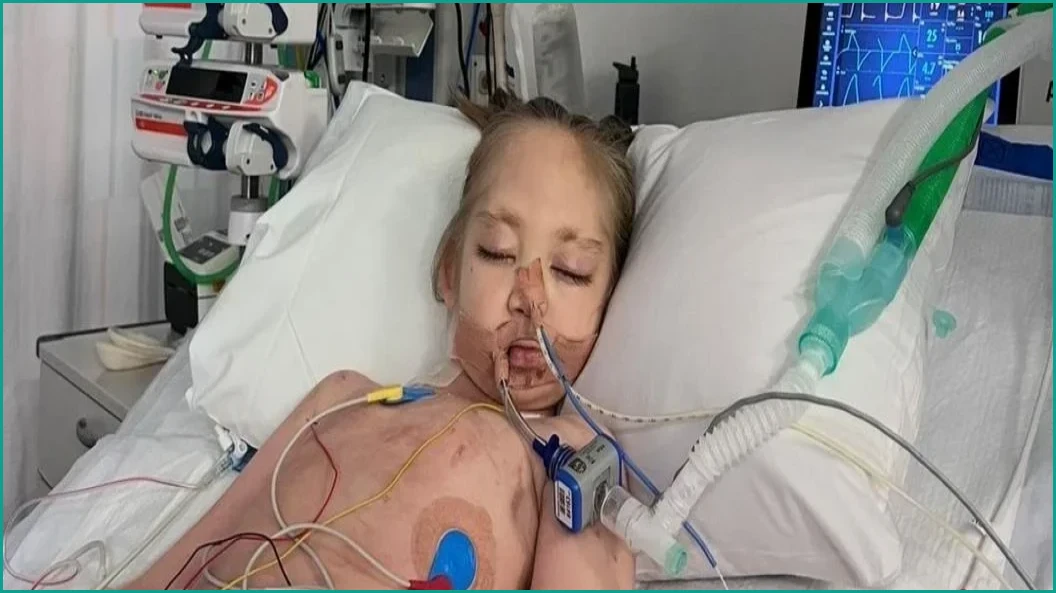
One patient who benefited from this approach is 10-year-old Willow Crowther from Kent. In March, Willow was admitted to the GOSH intensive care unit with pneumonia that triggered a seizure and multiple cardiac arrests.
Her mother, Stacey Moore, recalled that the situation was dire, noting that a consultant advised the family to say their goodbyes because Willow had only a 50% chance of survival.
The clinical team utilized metagenomics to determine that Willow was suffering from a drug-resistant bacterial infection.
This finding allowed doctors to pivot to an effective antibiotic treatment, which differed from her initial prescription. While Willow required several months of hospitalization, she was able to recover. Her father, Russ, described her survival as a miracle and expressed gratitude for the care she received.
"It's a miracle she's here and we're extremely grateful for that," added Willow's dad, Russ.
Another test, PCR, can identify viruses and some bacteria, but doctors need to specify what they are trying to detect.