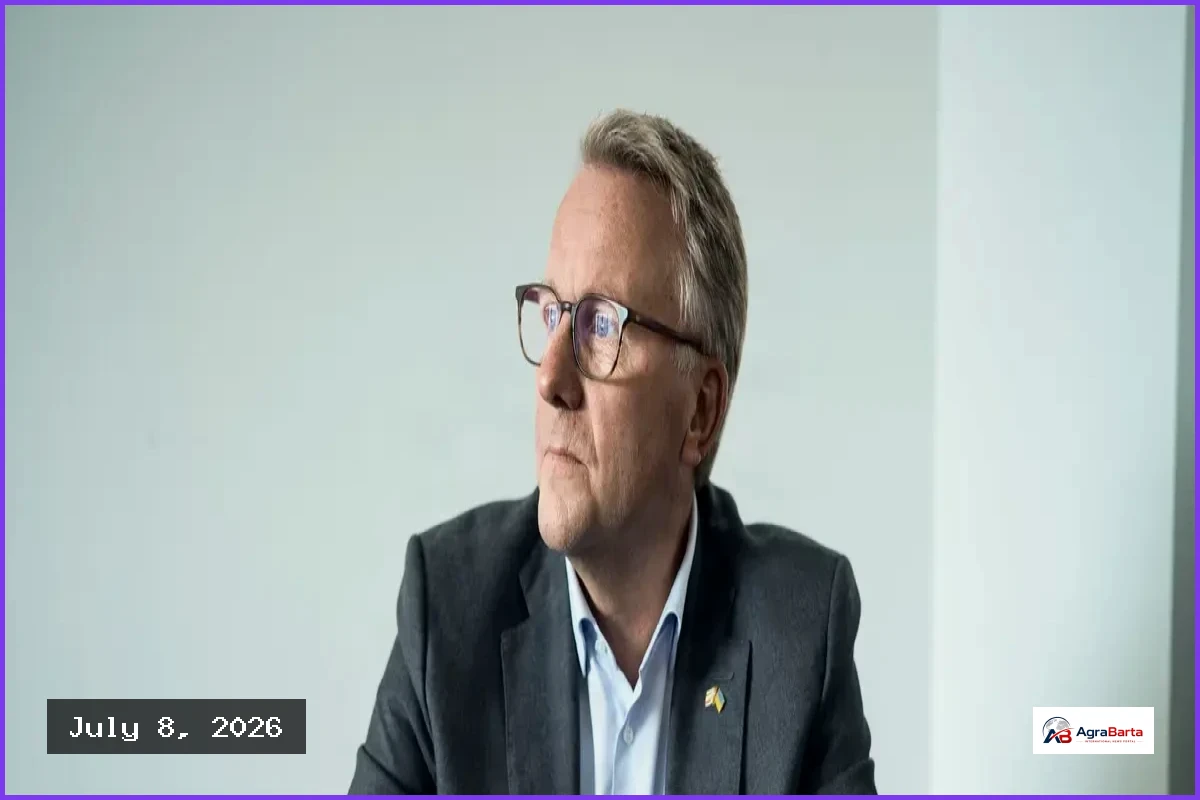
Danish migration minister Morten Bødskov has embarked on a diplomatic mission to Italy and Germany this week, aiming to secure broader support for a collaborative EU project to establish deportation centres for rejected asylum seekers outside of the European Union. Bødskov expressed his hope that the initiative can be expanded, stating his desire to strengthen cooperation and encourage more nations to join a joint EU effort.
The move follows a vote last month where a majority in the EU parliament supported a new return scheme. This framework would allow the bloc to utilize departure centres located in third countries for individuals who fail to meet asylum requirements or lack the legal right to reside within the EU. These individuals would remain in such facilities until they can be repatriated to their home countries.
Reflecting on the progress of the proposal, Bødskov noted that Denmark initially put the idea forward alone in 2019. He highlighted that the project has since gained momentum, with more countries joining the initiative and developments moving quickly. According to the minister, the establishment of the first centres has now entered a “crucial phase.” He emphasized that this development represents a structural change to the EU’s migration policy, which will fundamentally shift the foundation of Denmark’s own approach to migration. Bødskov stated he is proud that Denmark is leading this cooperation.
While the minister refrained from naming specific countries, he confirmed that multiple nations have expressed interest in potentially partnering with the EU to host these facilities, describing the current dialogue as very positive. As part of his trip, Bødskov is scheduled to meet with Italian interior minister Matteo Piantedosi on Wednesday and German interior minister Alexander Dobrindt on Thursday. Following these talks, he will engage with other relevant groups in Italy, including the UN refugee agency, UNHCR.
Looking ahead, Bødskov indicated that the government intends to maintain a high tempo in its work to prepare the necessary groundwork. “We’re going to keep working at a high tempo to create the groundwork to allow us to agree on a pilot project with a partner country so we can get going in the new year,” he said.
"I hope we can strengthen our cooperation and bring more people on board to make this a broad joint EU project," Bødskov told Danish news wire Ritzau.