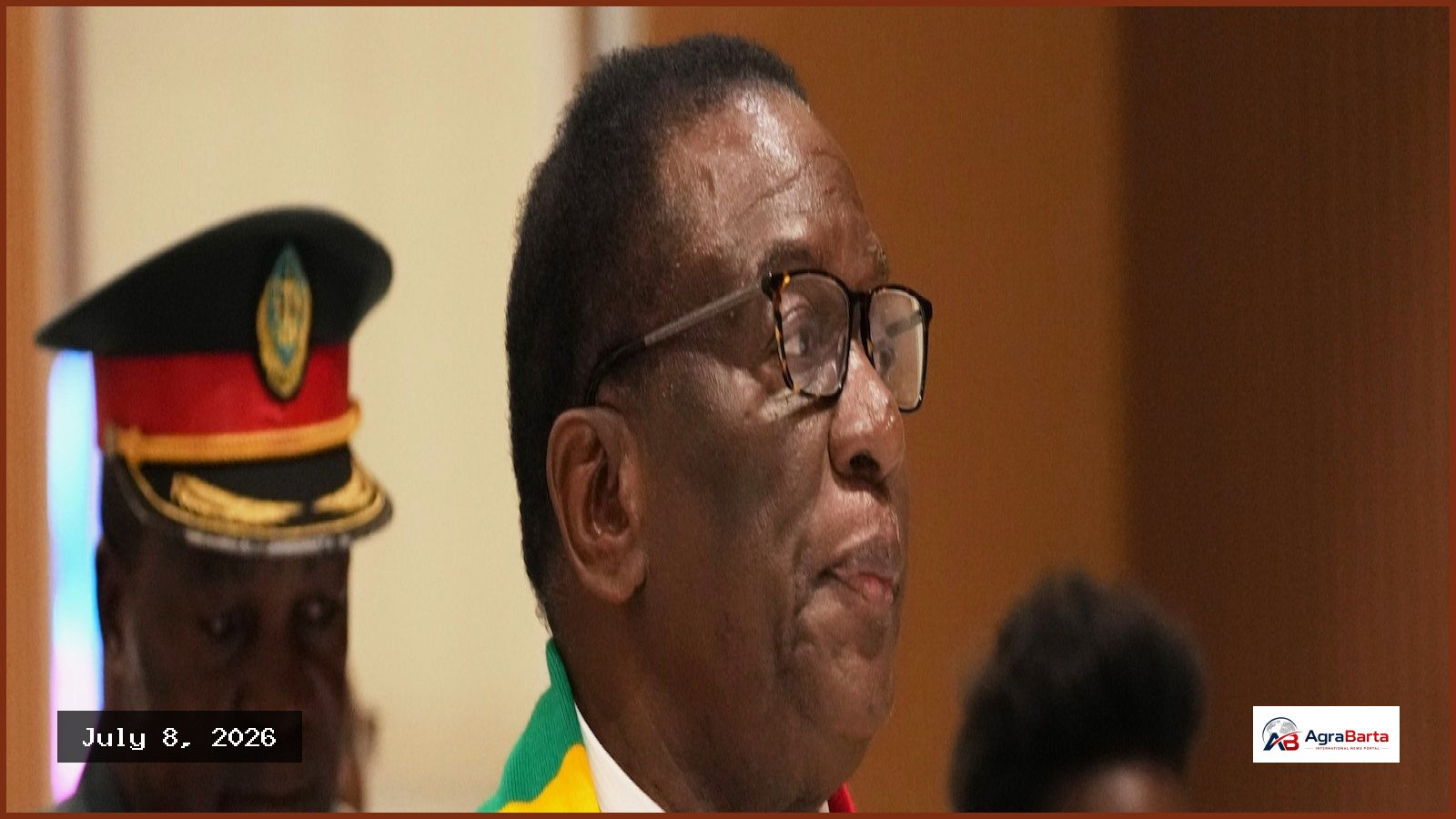
Zimbabwean President Emmerson Mnangagwa has officially signed into law a series of constitutional amendments that significantly reshape the nation’s electoral process and extend his own time in office. According to a government notice issued on Tuesday, the new legislation abolishes direct presidential elections and postpones the next scheduled vote. While the election was originally slated for 2028, the amendments delay it by two years, effectively extending the tenure of the 83-year-old leader until 2030.
The legislative changes, which received approval from Parliament in June, also alter the structure of presidential selection. Under the revised constitution, public voting for the presidency is scrapped, with lawmakers now responsible for choosing the president, and extends the terms of the president and MPs from five years to seven. Mnangagwa, who has led Zimbabwe since 2017 following the military-backed removal of his predecessor, the late Robert Mugabe, had previously committed to stepping down at the conclusion of his second and final term in 2028.
The enactment of these laws has sparked intense political controversy in the southern African country, which has a population of approximately 15 million. Critics, including opposition politicians, human rights lawyers, civil society organizations, and veterans of the 1970s liberation war, argue that such significant changes to presidential term lengths should have been subjected to a national referendum. Supporters of the government, however, maintain that Parliament acted within its authority, noting that the constitutional limit of two terms remains in place, even though the duration of those terms has been expanded.
The political climate has grown increasingly strained in recent months. Authorities have responded to the backlash by banning public gatherings and arresting various critics of the reforms, with several individuals alleging they have faced intimidation and harassment. Currently, multiple legal challenges aiming to overturn the amendments are pending before Zimbabwe’s courts, which have yet to issue a ruling on the matter.