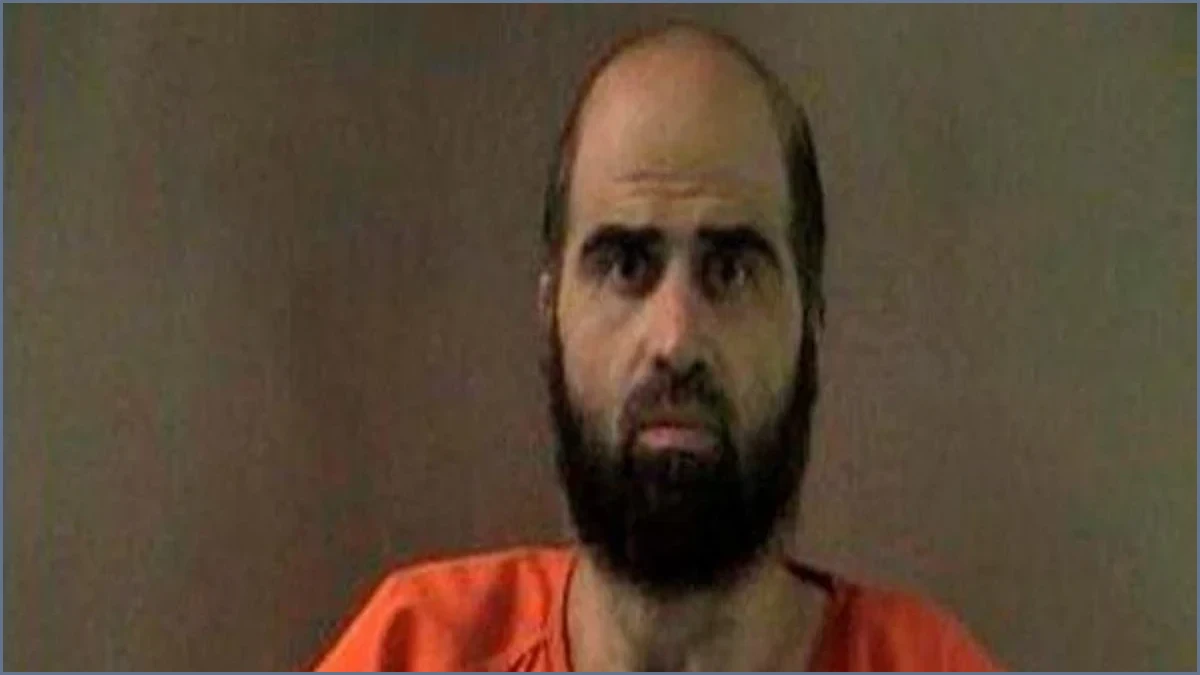
President Donald Trump has officially cancelled plans to livestream the upcoming execution of Nidal Hasan, the former US Army psychiatrist responsible for the 2009 Fort Hood shooting. While confirming the execution will still proceed as planned by firing squad on December 3, 2026, the president stated that the event will not be broadcast online.
The decision follows mounting public criticism regarding the proposal to display the death of the gunman. Addressing the change in plans on Thursday, the president remarked that “many very good and well meaning people would rather not watch him die.” Despite this shift, the president emphasized that the families of the victims will be permitted to view the execution in person, stating, “They deserve to witness JUSTICE!”
The Pentagon had previously announced the execution date last week, with Defense Secretary Pete Hegseth initially suggesting the event would be livestreamed to demonstrate that there are “serious consequences” for such actions. Vice-President JD Vance had previously expressed skepticism about the feasibility of a public stream, noting he would not watch it himself. President Trump had previously characterized Hasan as “totally nuts,” affirming that he approved of the death penalty as a “very worthy way of going for him.”
The incident at Fort Hood occurred on November 5, 2009, when Hasan opened fire in a crowded medical building where soldiers were waiting for vaccinations and check-ups. The attack, which left 13 unarmed soldiers dead and 32 others injured, remains the deadliest non-combat attack on a US military base in history. During his 2013 court-martial, Hasan admitted to the shootings, claiming he acted to protect the Taliban in Afghanistan and Muslims from the US military.
This upcoming event will mark the first US military execution in more than 60 years. Under US military law, such executions require presidential approval and a final appellate review to confirm the legality of the proceedings. While public executions remain rare globally—with Amnesty International noting instances in nations like Iran and Afghanistan in 2025—the US government has opted to keep this specific event restricted from the public eye.