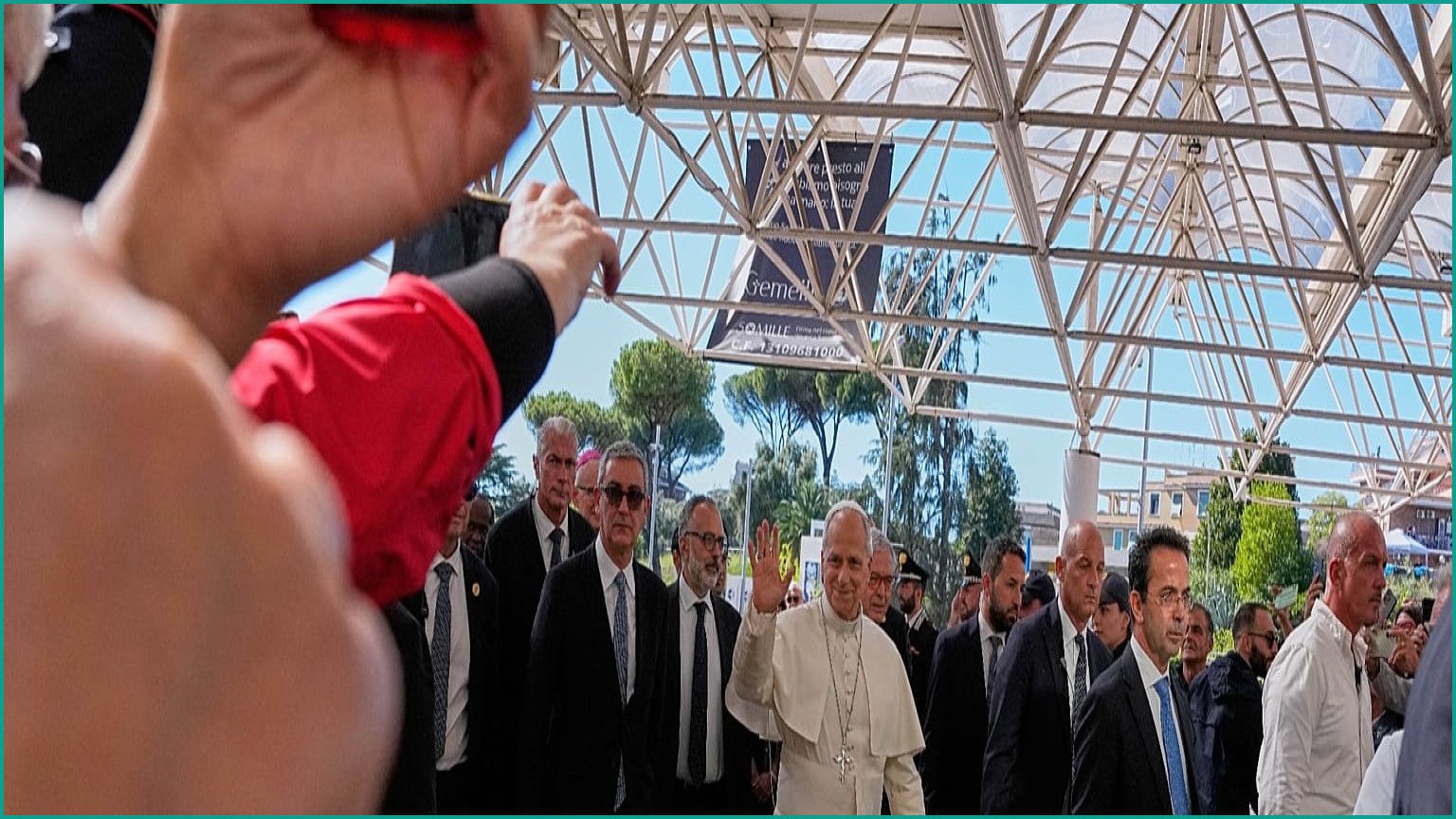
Pope Leo XIV arrived at Rome’s Gemelli hospital on Tuesday to undergo a medical procedure to remove a pulmonary nodule. The Vatican confirmed that the surgery is scheduled to take place during the afternoon. The 71-year-old pontiff was seen waving to well-wishers from the window of his car as he was driven to the facility, which is the traditional site for papal medical treatment.
This surgery marks a significant moment, as the Pope announced the upcoming procedure himself on Sunday, representing the first time a pontiff has made such a personal medical disclosure. According to the Vatican press office, medical staff anticipate a recovery period of approximately one week. Provided the recovery proceeds as expected, the Pope is scheduled to depart for his 11-day trip to Latin America on 6 November. His itinerary includes visits to Uruguay, Argentina, and Peru; the latter holds particular significance for the Pope, as he previously served there as a missionary for two decades and holds Peruvian citizenship.
A pulmonary nodule is defined as a small tissue growth within the lung. While the majority of these growths are benign, a small percentage may represent early-stage lung cancer. These nodules often cause no symptoms and are frequently identified during routine health screenings. However, larger growths can lead to chest pain, shortness of breath, and persistent coughing, which may involve blood. The procedure at Gemelli hospital is typically performed under general anaesthetic, requiring the patient to breathe through a tube.
Gemelli hospital, recognized as Rome’s largest medical center, has a long history of treating popes. The facility even maintains a dedicated top-floor apartment for the pontiff, which is secured by a long corridor under the guard of Italian and Vatican police. This suite includes a meeting room for medical staff, a kitchen, bathroom, and rest areas. Pope Leo XIV’s predecessor, Francis, spent several weeks at the hospital prior to his death last year. Pope John Paul II, head of the Church from 1978 until his death in 2005, was also a frequent patient, having been treated there nine times during his tenure, spending a total of 153 days at the site and famously referring to the hospital as "Vatican number three."
Most small nodules cause no symptoms and are only discovered during checks for other health issues.