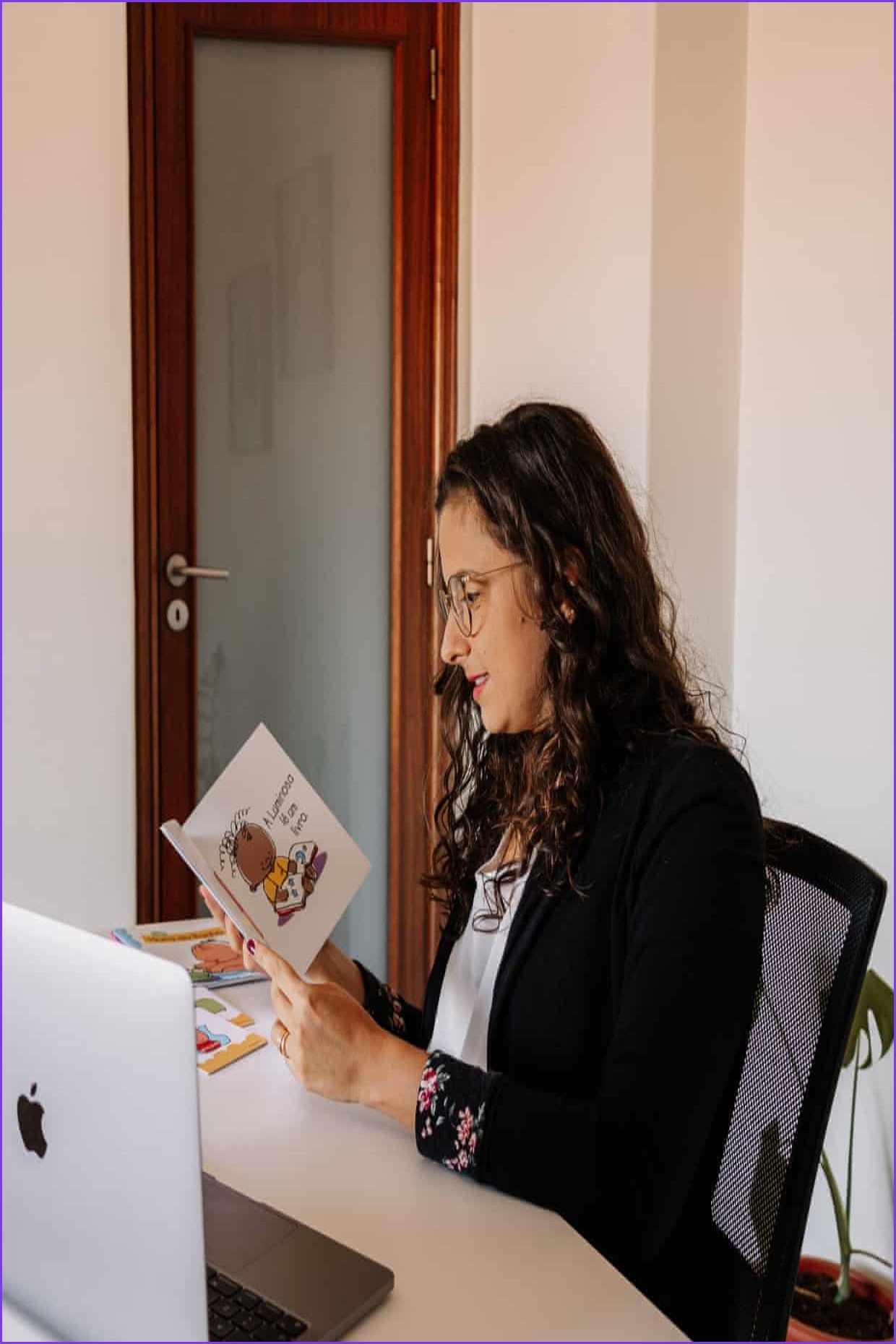
Iracema Ferreira, a 45-year-old Brazilian who moved to Portugal in 2020 to work as a speech therapist, eventually abandoned her career path after discovering that obtaining a professional license felt like a dead end for her compatriots. Early in her time in Portugal, while studying nursing, she frequently carried a dictionary to class to defend her vocabulary against accusations that she was speaking a non-existent version of Portuguese. Her experience reflects a growing struggle among Brazilian professionals, particularly speech therapists, who argue they are facing deep-seated prejudice in Portuguese society.
Tanise Anhaia, president of the Brazilian Speech Therapists Association in Portugal (AFBP), describes this barrier as “glottophobia,” a term used to characterize linguistic discrimination. According to the AFBP, which was established last year, almost no Brazilians have successfully obtained a license to practice speech therapy in Portugal since 2019. In one rare exception, a lawyer had to argue that a client’s rejection was “totally incomprehensible, illegal and unconstitutional” to get the decision overturned.
The issue of linguistic bias is set against a backdrop of increasing reports of xenophobia toward the country's largest migrant group. Data from the Portuguese migration agency, AIMA, indicates that more than 480,000 Brazilians live in Portugal, though the Brazilian foreign ministry estimated the population at 628,000 in 2025. Statistics Portugal reported in 2023 that 55% of Brazilians claimed to have suffered discrimination, the highest rate among any nationality. Furthermore, the commission for equality and against racial discrimination noted in 2022 that “Brazilian nationality” was the primary basis for 34% of all complaints received.
Reports of hostility have been severe, ranging from a man arrested after offering a 500-euro bounty for “Brazilian heads” to children being bullied in schools. One anonymous woman in Lisbon described her eight-year-old child being punched by another student who told the boy he needed to “go back to his land.” She also recalled a school teacher suggesting that her children were speaking too “Brazilianised” and required speech therapy.
Linguists like Afrânio Barbosa, dean of the Centre for Letters and Arts at the federal university of Rio de Janeiro, suggest these reactions are part of a recurring pattern triggered by the popularity of Brazilian cultural products. He notes that similar panics occurred in the 1980s regarding Brazilian soap operas. Barbosa argues that these social reactions stem from a colonial symbolic projection where the legitimacy of the language is tied to geography rather than the demographic identity of its speakers. While Renato Basso, a linguistics professor at the federal university of São Carlos, acknowledges the complexity of the debate, he emphasizes that educated speakers from urban centers in both nations share relatively similar standards of Portuguese.
Despite this, individual professionals continue to face rigid obstacles. When Anhaia sat for her licensing exam in 2021, she was evaluated by a speech therapist rather than a linguist and was told she was not approved because she did not speak “European Portuguese.” The body responsible for these licenses, the ACSS, has declined to comment on these specific requirements, while the Portuguese Association of Speech Therapists stated its members lack the authority to comment on the matter. Journalist Álvaro Filho, who moved to Lisbon in 2016, captured these sentiments in his book Eu Não Falo Brasileiro, noting that the insistence on a single standard implies that the Brazilian variant is not recognized as an equal.