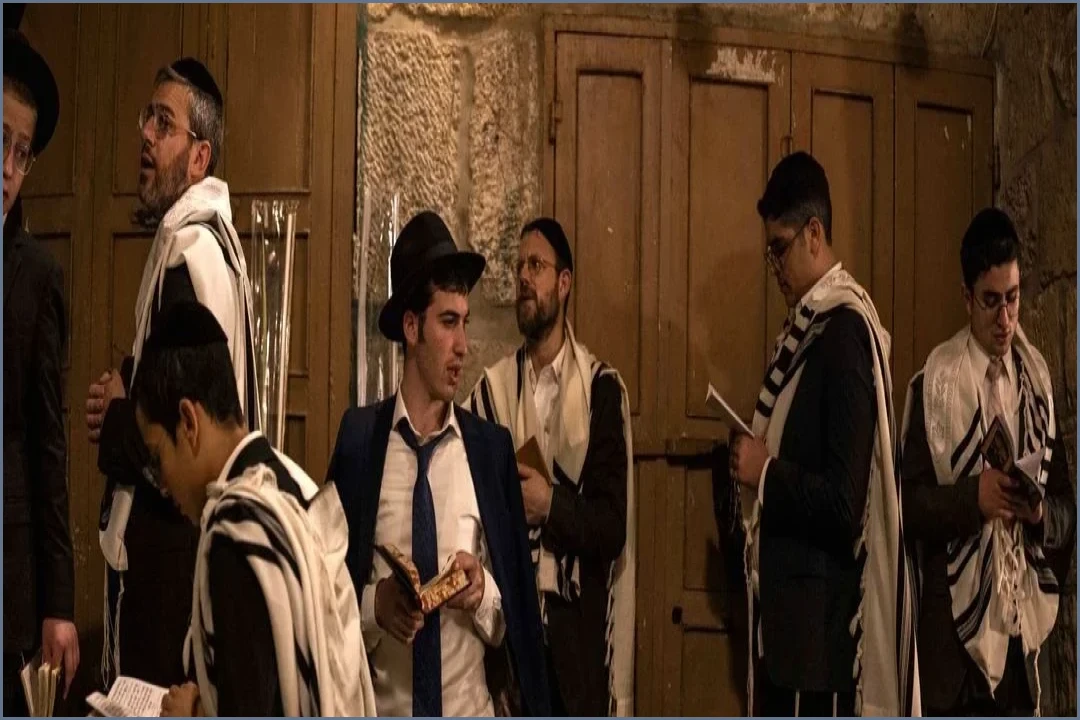
Hundreds of Israeli settlers, escorted by police and military forces, entered the Al-Aqsa Mosque compound in occupied East Jerusalem and Joseph's Tomb in the occupied West Bank city of Nablus on Thursday.
According to the Jerusalem Islamic Waqf Department, about 800 settlers stormed the Al-Aqsa compound on Thursday morning. The visitors entered through the Mughrabi Gate in the mosque's western wall under the protection of Israeli police, performing Talmudic rituals, prayers, singing, and dancing. These incursions coincided with the Jewish holiday of Sukkot, which began on September 26 and runs through October 2.
The Waqf Department noted that settler entries have intensified during Jewish holidays, leading to increased violations of the mosque's long-standing status quo. Earlier in the week, the department recorded substantial daily entries, including more than 1,500 settlers on Sunday, over 1,700 on Monday, more than 1,400 on Tuesday, and upwards of 2,400 on Wednesday. Israeli police first began permitting settler entries into the compound in 2003, with the figures growing significantly since then.
Simultaneously, hundreds of settlers targeted Joseph's Tomb in eastern Nablus. The Palestinian official news agency Wafa reported that Israeli military vehicles entered the area early Thursday, forcing local residents to evacuate their homes. Israeli forces then converted these residential buildings into military barracks and stationed snipers on several rooftops. Subsequently, buses transported hundreds of settlers to the site to perform Talmudic rituals.
Located on the eastern edge of Nablus, an area under Palestinian control, Joseph's Tomb remains one of the most volatile locations in the West Bank. Since the Israeli occupation of the West Bank in 1967, Jewish worshippers have treated the site as a sacred shrine, believing it holds the remains of the Prophet Joseph, son of the Prophet Jacob. However, archaeologists challenge this assertion, stating the structure is only a few centuries old and likely serves as the tomb of a Muslim sheikh named Yusuf Dweikat.