Scientific experts have issued a stark warning regarding the state of Earth’s critical life support systems, confirming that seven of the nine identified Planetary Boundaries have now been breached. These boundaries, which were established to maintain a safe and resilient natural world, are currently at their highest recorded levels of transgression, according to the latest research.
Boris Sakschewski, a scientist at the Potsdam Institute for Climate Impact Research (PIK) and the lead author of the report, described the diagnosis as “unambiguous.” He noted that pressure is rising across every boundary that currently sits outside the safe operating space.
This trend indicates that the risk of large-scale, persistent, and potentially irreversible changes is increasing, while the margin for error in addressing these environmental problems is simultaneously shrinking.
Sakschewski warned that the planet is at risk of losing its buffering capacity against these mounting pressures, noting that current estimates of land carbon sink resilience may be overly optimistic.
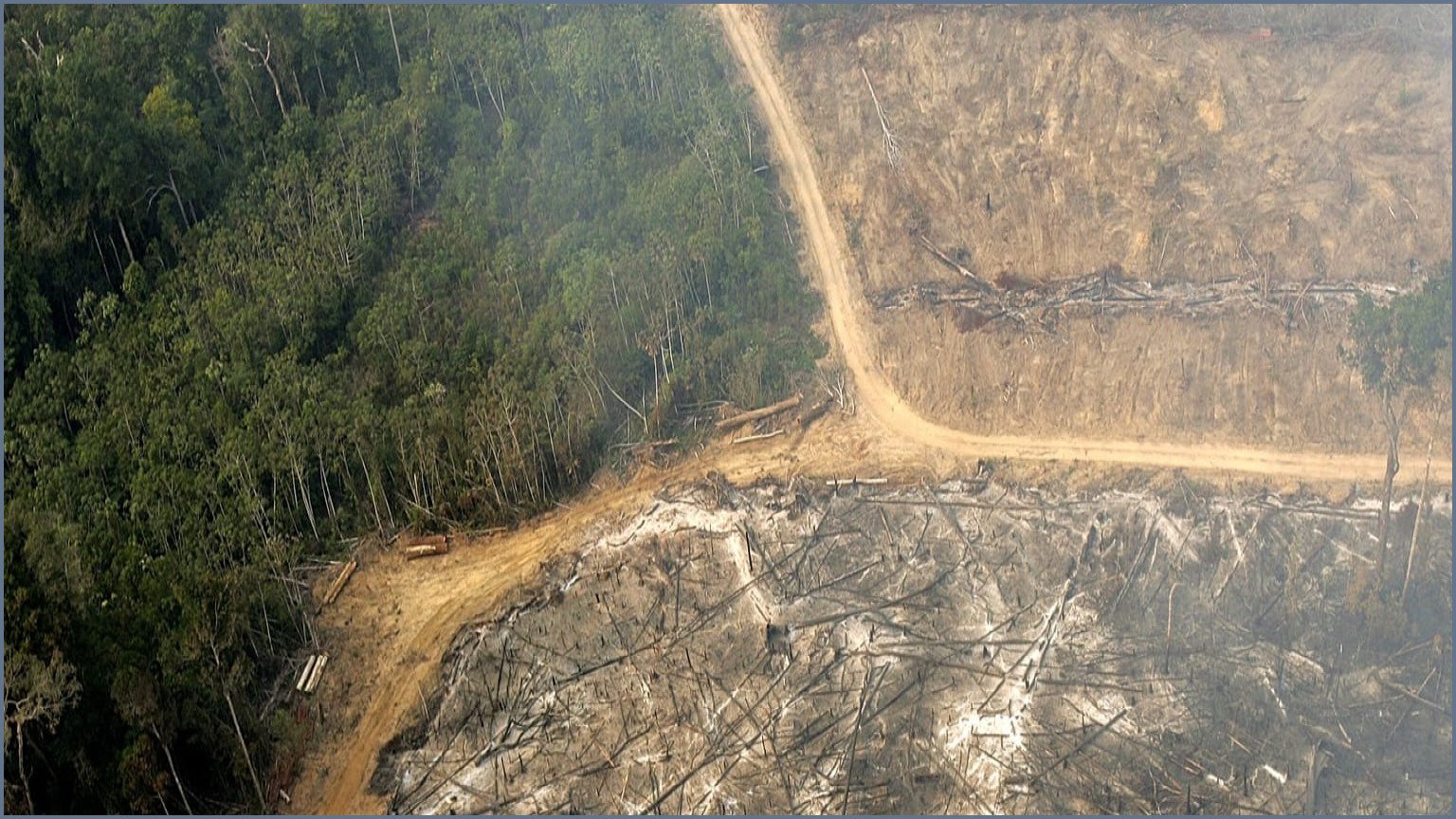
The seven transgressed boundaries include climate change, biosphere integrity, land system change, freshwater change, modification of biogeochemical flows, the introduction of novel entities such as microplastics, and ocean acidification.
Ocean acidification was the most recent to be breached, following findings that surface ocean pH levels have dropped by approximately 0.1 units, representing a 30 to 40 per cent increase in acidity since the industrial era began.
Currently, the only two boundaries that have not been breached are stratospheric ozone depletion and atmospheric aerosol loading, both of which have shown signs of improvement over the last decade. However, researchers cautioned that global progress might eventually “unmask” unsafe aerosol levels that persist in certain regions.
Despite the grim findings, there is a consensus among experts that the situation is not beyond repair. Johan Rockström, PIK Director and co-author of the report, emphasized that humanity possesses the “knowledge, capacity and solutions” required to change course. He called for accelerating action to return to a safe operating space to protect lives, livelihoods, and future prosperity.
Further supporting this potential for recovery, research from The Earthshot Prize and the University of Exeter recently identified 51 solutions designed to trigger transformative change over the next five years. These solutions are categorized into five priority clusters: transitioning to clean energy, reducing reliance on fossil fuels, cutting down on solid fuels for cooking, ocean conservation, and intensifying efforts against deforestation.
Launched in 2023, Planetary Boundaries Science aims to address critical gaps in our understanding of Earth’s life support systems.
Out of these 51 solutions, five priority clusters – or ‘Earthshots’ – were identified.