Voters across Russia are heading to the polls this Sunday for the final day of parliamentary elections. The pro-Putin United Russia party, which has secured a victory in every parliamentary election since 2003, is widely expected to maintain its dominance in the 450-seat State Duma.
The electoral process has faced significant political and logistical hurdles. In August, the Russian Supreme Court ordered the Yabloko party—the only political organization openly opposing the war—to be removed from the ballot. Although party candidates are reportedly still permitted to run for individual seats in certain districts, the exclusion has sparked criticism. Yabloko cofounder Grigory Yavlinsky condemned the decision and announced plans to appeal, stating, "Barring Yabloko from the elections means refusing to engage in dialogue with people who ask questions that are uncomfortable for the authorities." He added, "We stand for a ceasefire, diplomacy and peace, for the prevention of nuclear war."
Tensions at polling stations have also been reported. On Saturday, the Yabloko party stated that one of its election observers had "lost consciousness" after being "subjected to force" by police in St. Petersburg. The party further alleged that its observers were being "denied access to polling stations" and that their movement was being "restricted."
Beyond domestic political friction, election infrastructure has been targeted by cyberattacks. Ella Pamfilova, chair of the Central Election Commission, reported on Sunday that Russia has recorded more than 1,000 waves of distributed denial-of-service (DDoS) attacks against election systems over the past few days. According to the Interfax news agency, Pamfilova assessed the level of impact as "very high," noting that the attacks appeared to be "carried out by highly professional, well-coordinated groups using artificial intelligence tools."
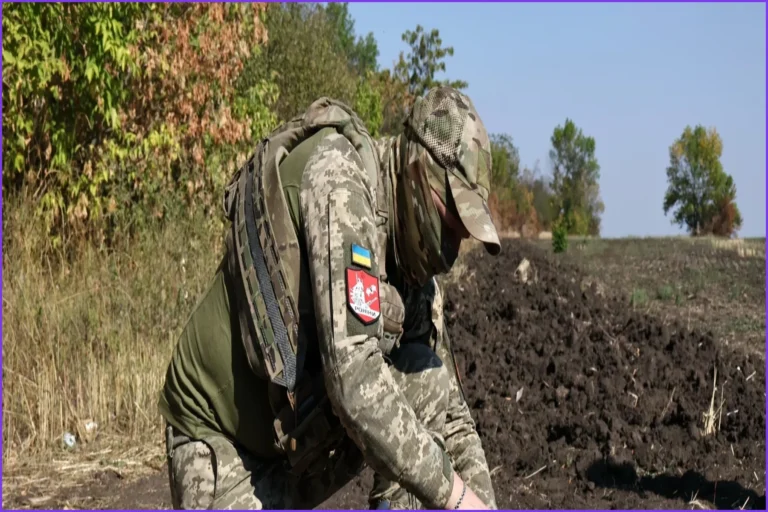
The final day of voting coincides with a significant escalation in the war in Ukraine. Moscow Mayor Sergey Sobyanin described the capital as being hit by its "largest-scale attack" since the conflict began. Sobyanin reported that Russian air defenses have intercepted more than 1,600 drones across the country since Saturday, with 450 of those directed toward Moscow. While no fatalities were reported in the capital, where drones struck a residential building and the Moscow refinery, Moscow Oblast governor Andrey Vorobyov confirmed that two people were killed in attacks across the wider region. Sobyanin accused Ukraine of attempting to "disrupt" the elections. Ukrainian President Volodymyr Zelenskyy confirmed the strikes, stating that a "key" oil industry facility and a logistics facility were hit. He noted that Ukraine's long-range responses had a "very significant impact" in the Moscow region, while reporting that Russia had launched over 2,000 attack drones, 1,700 aerial bombs, and 19 missiles against Ukraine this week.