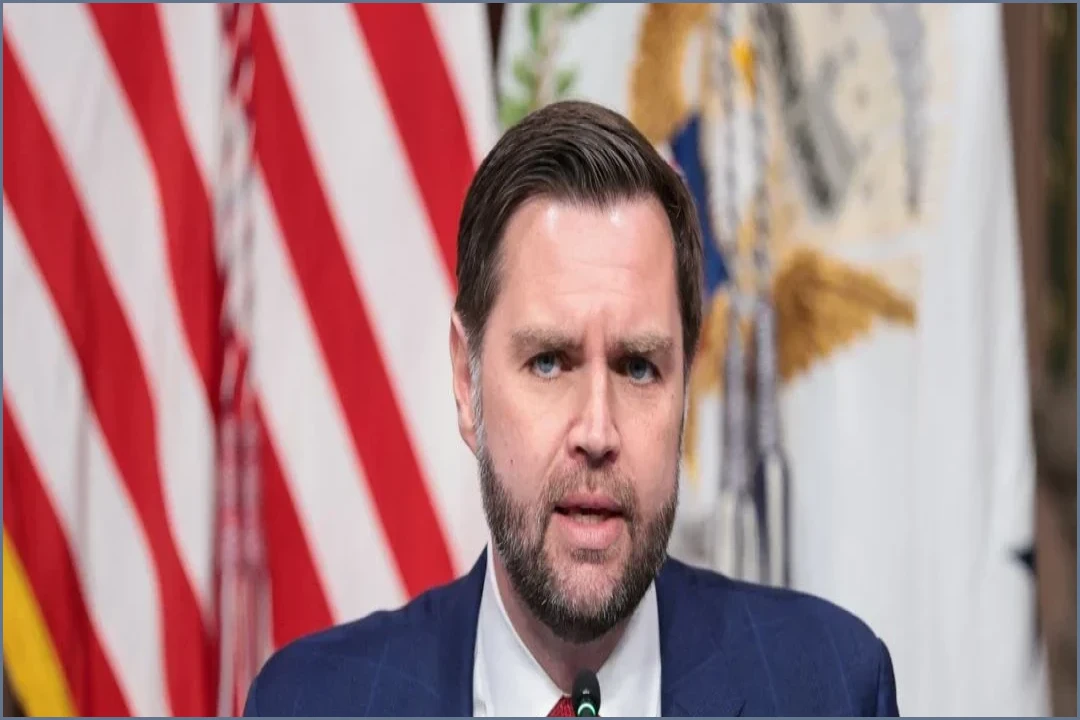
US Vice President JD Vance privately compiled unvarnished military assessments of the war in Iran that diverged significantly from the public narrative presented by the administration, according to reports citing current and former US officials. Throughout the spring and summer, Vance directly contacted American military commanders stationed in the Middle East, Europe, and Asia to acquire their unfiltered judgments on the conflict.
Vance reportedly sought individual assessments from these commanders in their own words, which he then consolidated into a more comprehensive Pentagon assessment. These discussions spanned a wide array of topics, including the specific tactics and objectives of the war, estimated casualties, Iranian activities in the strategic Strait of Hormuz, and the adaptability of Iran's military forces. Additionally, Vance requested detailed reports on remaining weapons stockpiles, raising questions about how transferring arms to the Middle East might undermine the United States' ability to deter other global adversaries, including China, Russia, and North Korea.
Among the primary concerns raised by military commanders were depleted stockpiles of Patriot interceptor missiles, with some warning that critical munitions inventories had fallen to their lowest levels in history. Several of Vance’s conversations also touched on apprehensions regarding the administration’s overarching strategy and the ultimate prospects for success in the conflict.
These private, sobering evaluations contrasted sharply with the more optimistic public statements made by senior administration figures, including President Donald Trump. However, the reports indicate that Vance conducted these inquiries with the full knowledge of both Trump and Defense Secretary Pete Hegseth.
Pentagon spokesman Sean Parnell confirmed the high-level access in a statement, noting that "to ensure the president's team receives all available data points regarding ongoing operations in the Middle East, the secretary has facilitated direct access to combatant commanders for the vice president and other senior White House leaders."
Vance reportedly expressed a desire to obtain these detailed briefings within days of the war's commencement, aiming to use the military officers' raw opinions to better advise Trump. He closely monitored daily operational details, the internal political dynamics of Iran, and the sources of intelligence assessments. CIA Director John Ratcliffe also granted Vance direct access to agency analysts, allowing the vice president to call analysts directly at their desks to inquire about raw intelligence and morning briefing materials. Furthermore, Hegseth directed the Office of Naval Intelligence to compile daily intelligence reports on transit, flags, and cargo in the Strait of Hormuz specifically for Vance, a resource now shared with other senior aides to the president.