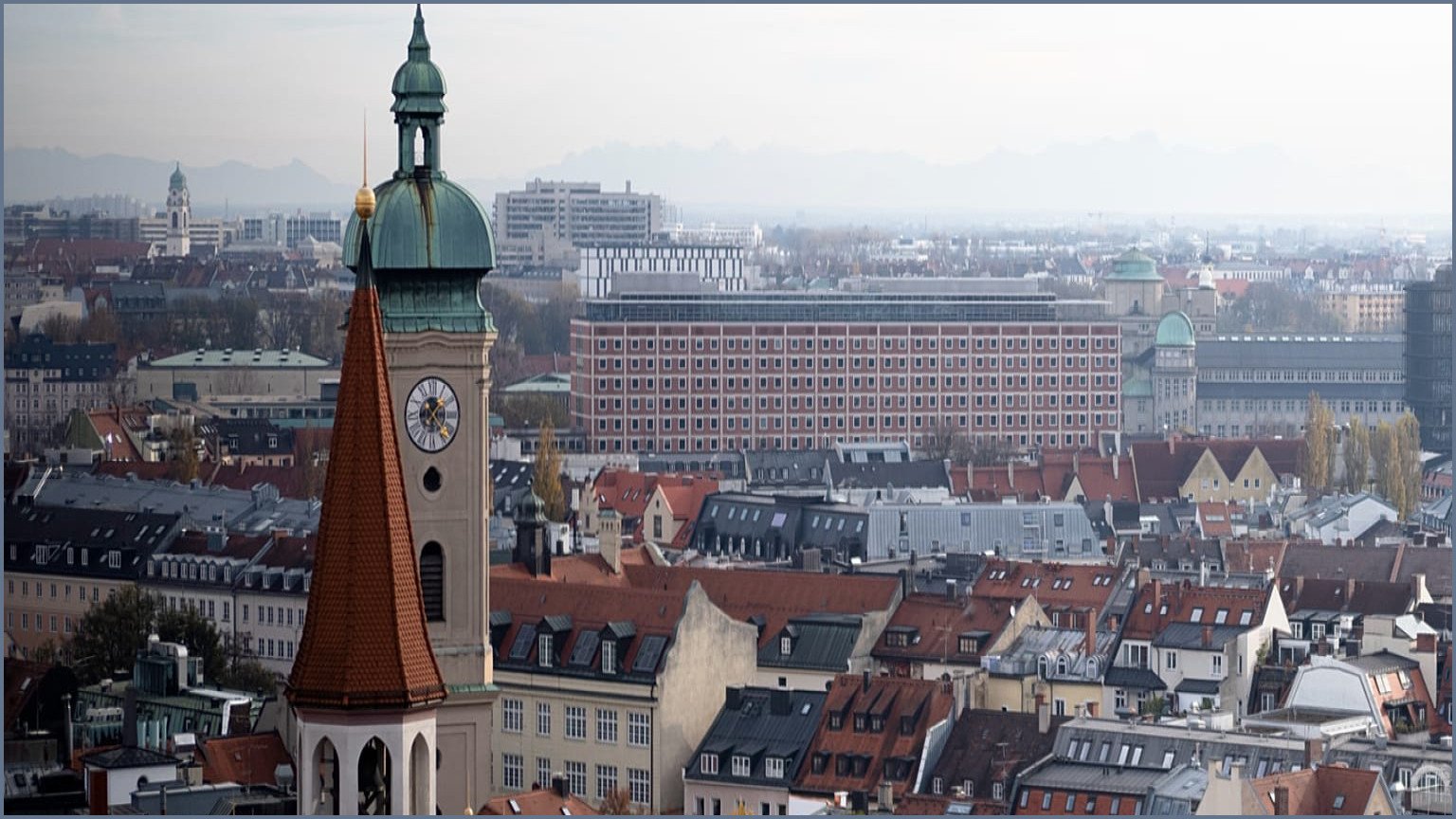
Munich, a city historically recognized for its cultural exports like Oktoberfest and its prominent football club, is undergoing a rapid transformation into one of Europe's premier centers for defence technology. This shift is characterized by a cluster of emerging companies specializing in military software and AI-powered drones, all finding a base within the Bavarian capital.
The rapid expansion of this sector is largely fueled by a substantial increase in government investment. Germany's federal budget for 2026 earmarks approximately €82.7 billion for defence, representing an increase of roughly €29.4 billion compared to the previous fiscal plan. When accounting for an off-budget special fund aimed at modernizing the armed forces, total defence expenditure for 2026 reaches approximately €108 billion. According to the Stockholm International Peace Research Institute, this represents a 24% year-on-year increase and marks the first time since 1990 that German military spending has clearly surpassed 2% of the nation's GDP. Additionally, troop numbers are projected to rise by up to 10,000.
Among the dozens of military-tech firms now operating in the region are drone manufacturer Quantum Systems, AI defence group Helsing, and interceptor-drone specialist Tytan Technologies. Quantum Systems, established in 2015, currently supplies drone technology to Ukraine's armed forces and has recently diversified into land and sea systems. Tytan Technologies, founded in 2023 by two Technical University of Munich graduates following a hackathon focused on Ukraine, has seen its workforce grow tenfold and is presently opening a new production facility. Nemo Farber, Tytan’s chief manufacturing officer, described their mission as a straightforward effort to restore the economics of European air defence.
Industry experts attribute this growth to the city's unique combination of engineering talent, technical universities, and a receptive political environment. The Munich Chamber of Commerce and Industry reports that the number of pure defence startups in the region has doubled to approximately 60 in recent years. Furthermore, workers displaced from the region’s struggling automotive industry are increasingly transitioning into roles within the defence sector.
Despite this momentum, industry leaders report several operational hurdles. Firms have expressed frustration over lengthy security vetting processes and slow permitting for new production sites. Defence expert Maximilian Epp of the Chamber of Commerce noted that startups often struggle to fully exploit production potential because permits for new warehouses and facilities are delayed, even when growth and orders are present. Additionally, there are complaints that current budgets continue to favor traditional heavy weaponry over autonomous systems.
Munich Mayor Dominik Krause attributes the region's success to the collaboration between large and small enterprises, along with established links between state authorities and universities. However, the industry's rapid growth has introduced significant security risks for its leaders. Reports indicate that the head of Bavarian drone maker Donaustahl went into hiding following an alleged Russian assassination plot, and a 2024 plot targeting the chief executive of Rheinmetall was successfully foiled. Martin Karkour, chief revenue officer at Quantum Systems, emphasized that companies remain fully aware of the operational environment and have implemented necessary security measures.