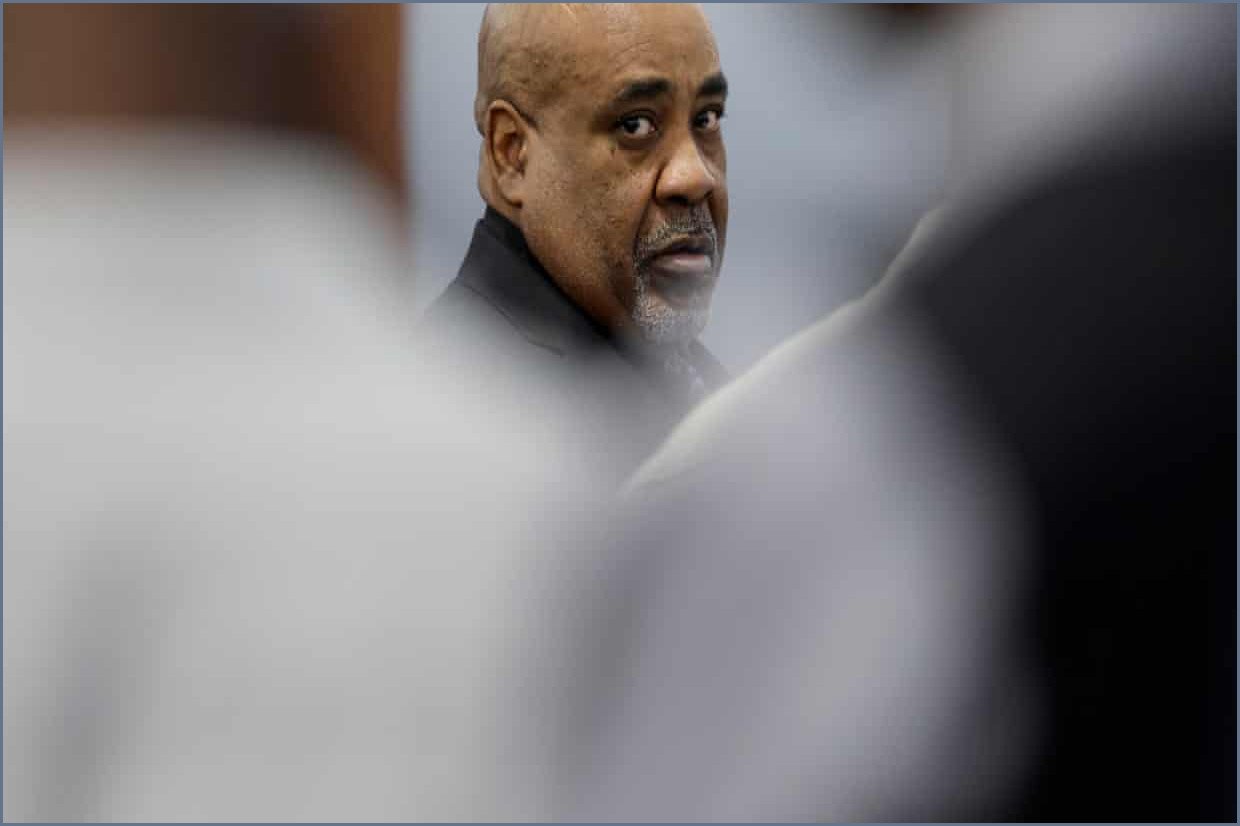
A Las Vegas jury has reached a verdict in one of music history's most enduring cold cases, finding former South Side Compton Crips gang leader Duane Keith Davis guilty of the murder of Tupac Shakur. The decision concludes a legal saga that spanned nearly three decades following the 1996 shooting of the legendary rapper.
Shakur, born in 1971 in East Harlem, New York, became a cultural icon in the early nineties, celebrated for his poetic lyrics that addressed systemic racism, police brutality, and the hardships faced by marginalized communities. His life was tragically cut short at age 25, when he was shot four times while in a car near the Las Vegas Strip. He died in the hospital days later.
The trial, which lasted several weeks, saw Clark county district attorney Marc DiGiacomo and chief deputy district attorney Binu Palal present testimony from 25 witnesses. The prosecution faced significant challenges, as some individuals were reluctant to testify and required court orders to appear. Investigators noted that the case was historically difficult to prove due to a lack of physical evidence and ongoing resistance from potential witnesses within the rapper’s entourage.
Davis, 63, was accused of instigating the attack, though he was not the one who pulled the trigger. The prosecution’s case relied heavily on statements Davis made in his 2019 memoir, Compton Street Legend, and eight hours of recorded interviews where he detailed his role in the events of September 7, 1996. Davis claimed he planned the retaliation after Shakur and his entourage beat his nephew, Orlando “Baby Lane” Anderson, at the MGM Grand earlier that night. Anderson, who was a member of a rival Compton gang, died in an unrelated shootout two years later.
During the trial, prosecutors highlighted Davis's own admissions, including his claim that he was present in the white Cadillac from which the shots were fired, and that he had brought a .40-caliber Glock with him. Defense attorney Michael Sanft argued that these statements were mere embellishments intended to profit from the public's fascination with the case. However, DiGiacomo emphasized that Davis likely would not have been prosecuted had he not written the book.
For the family of Shakur, the verdict provides a long-awaited sense of closure. His cousin, Zayd Akinyela, noted outside the courtroom that the family had been waiting 30 years to grieve properly, a process hindered by the lack of clarity surrounding the circumstances of the rapper's death. The investigation into the shooting faced years of scrutiny, including a 2015 Los Angeles Times review that highlighted missed police opportunities, such as the failure to investigate Anderson and the loss of a potential witness who claimed he could identify the shooters.
Reverence for the rapper has long inspired conspiracy theories about his death as questions swirled around who was involved, why the case remained open for years and even whether Shakur was actually dead.
The investigation highlighted why many of his followers, members of his family and Black leaders and entertainers have pointed to the case – and the years it took to reach a conclusion – as yet another indication of racism in a broken justice system.