A significant shift is occurring within the English dental sector, as new analysis suggests the service is drifting toward a two-tier system. According to data examined by the Nuffield Trust, nearly 600 dental practices across England have withdrawn from providing NHS work over the last decade. This decline has been particularly sharp in parts of the South West and East of England, raising urgent concerns about growing inequalities in access to essential care.
The analysis indicates that more than one in 10 dental practices that previously offered NHS care have since stopped, making it near impossible for some communities to secure appointments. Current NHS dental activity remains 8% lower than it was before the Covid pandemic, and a Nuffield Trust survey found that six in 10 adults have not seen an NHS dentist in the last two years. Of those who attempted to book a new appointment during that period, only 38% were successful.
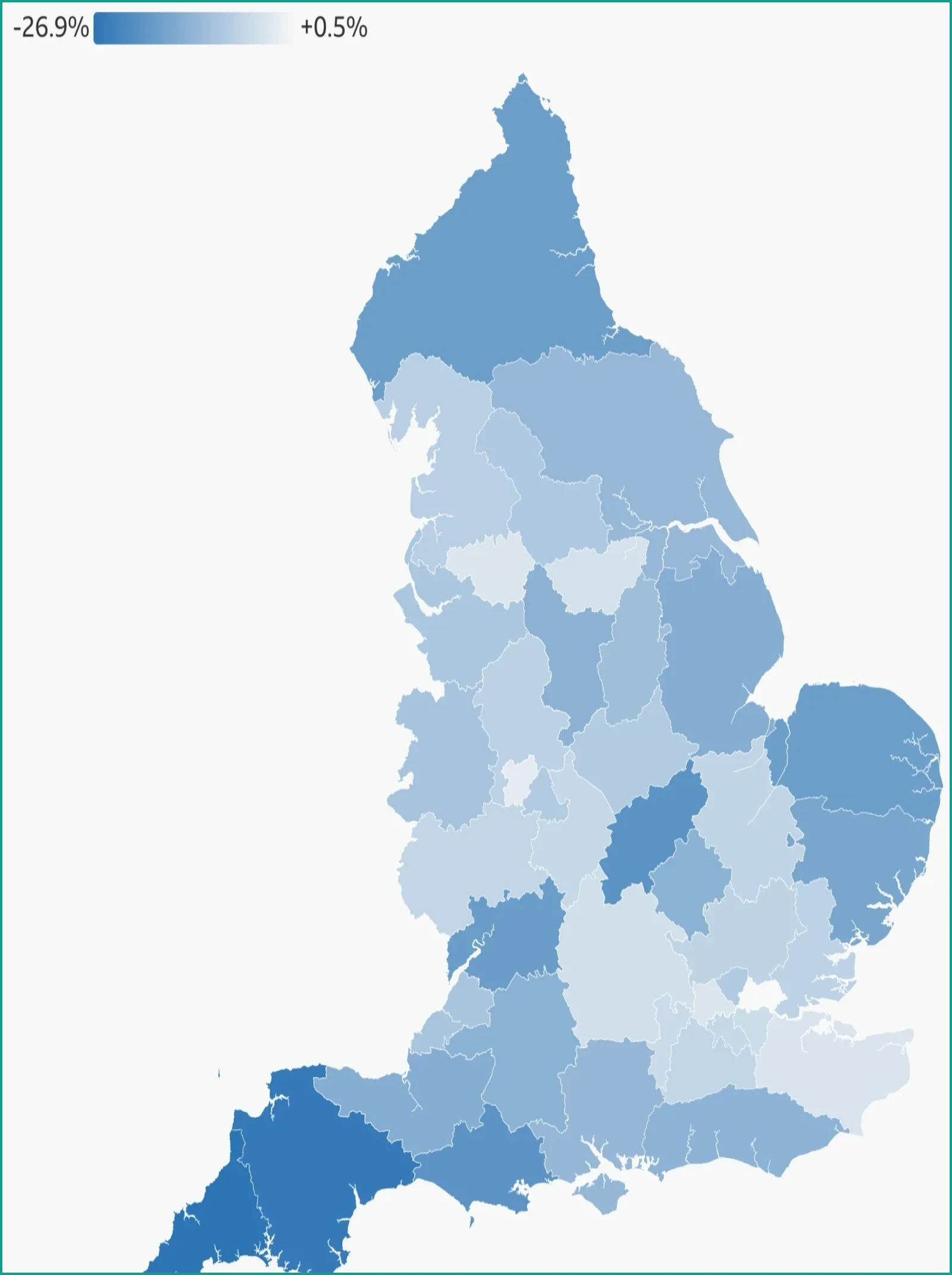
Regional data highlights the severity of the situation, with Cornwall, Devon, and Northamptonshire recording some of the largest reductions. In Cornwall, more than a quarter of practices that previously offered NHS treatment have ceased doing so, representing one of the starkest examples of this national trend.
While most regions saw a decline, North East London was the only area to record an increase, gaining one additional practice offering NHS treatment compared to a decade ago. Other regions, such as North West London and the Black Country, saw smaller reductions in practice numbers.
The human cost of this decline is evident in the experiences of patients like 83-year-old Alan. With only one tooth remaining after others crumbled over the years, Alan says he has given up trying to find an NHS dentist, noting that getting an appointment anywhere near his home is impossible. He has had to adapt his diet to accommodate his dental state, joking that he has perfected a way of eating Brazil nuts.
Industry experts warn that the cumulative effect of these individual practice closures is profound. Mark Dayan, head of public affairs at the Nuffield Trust, noted that while a contract handed back in one town might attract little national attention, the pattern repeated over a decade amounts to a quiet transformation of dentistry into a two-tier service. He added that access to dental care is increasingly dependent on where people live and what they can afford to pay.
For practitioners, the decision to leave the NHS is often driven by financial necessity. Jim Sykes, a dentist in Hexham, handed back his NHS contract in 2024. He described it as a difficult emotional decision, explaining that the NHS work was running at such a loss that he had to prioritize the stability of his staff.
Sykes attempted to continue treating only children, but was told he would have to accept adults as well or give up the NHS work entirely. He observed that none of his friends from his graduating class still work in the NHS, having moved to private practice, retired, or entered teaching to avoid the service.
Shiv Pabary, chair of the British Dental Association's General Dental Practice Committee, stated that the current situation is the direct result of choices made by successive governments. He warned that unless ministers take action to fix and fund NHS dentistry, more dentists will likely choose to reduce their NHS work or leave the service altogether.
While total dentist practice numbers have risen in England over the last decade, Dayan emphasized that this is not a shortage of dentistry, but a shortage of NHS dentistry, noting that practices will need to be incentivized back into the service in areas where the footprint has thinned most.
The government has responded by stating it is reforming the dental contract and training more dentists in areas of greatest need. Officials also plan to make it a requirement for newly qualified dentists to practice in the NHS for a minimum of three years. Meanwhile, the campaign group 38 Degrees has labeled the current dental crisis as shameful, arguing that people are being forced to pay money they cannot afford or suffer from pain, shame, and further health complications caused by being denied vital NHS care.
Looking at the number of practices doing NHS work is not the same as looking at exactly how much health service capacity there is – practices can vary in size. But if you look at other measures such as the amount of treatment being done, the numbers are still down, although not as steep as the fall in practice numbers.